
How Our Light‑Duty Towing Service Keeps Your Car Safe Without Breaking the Bank
May 5, 2026
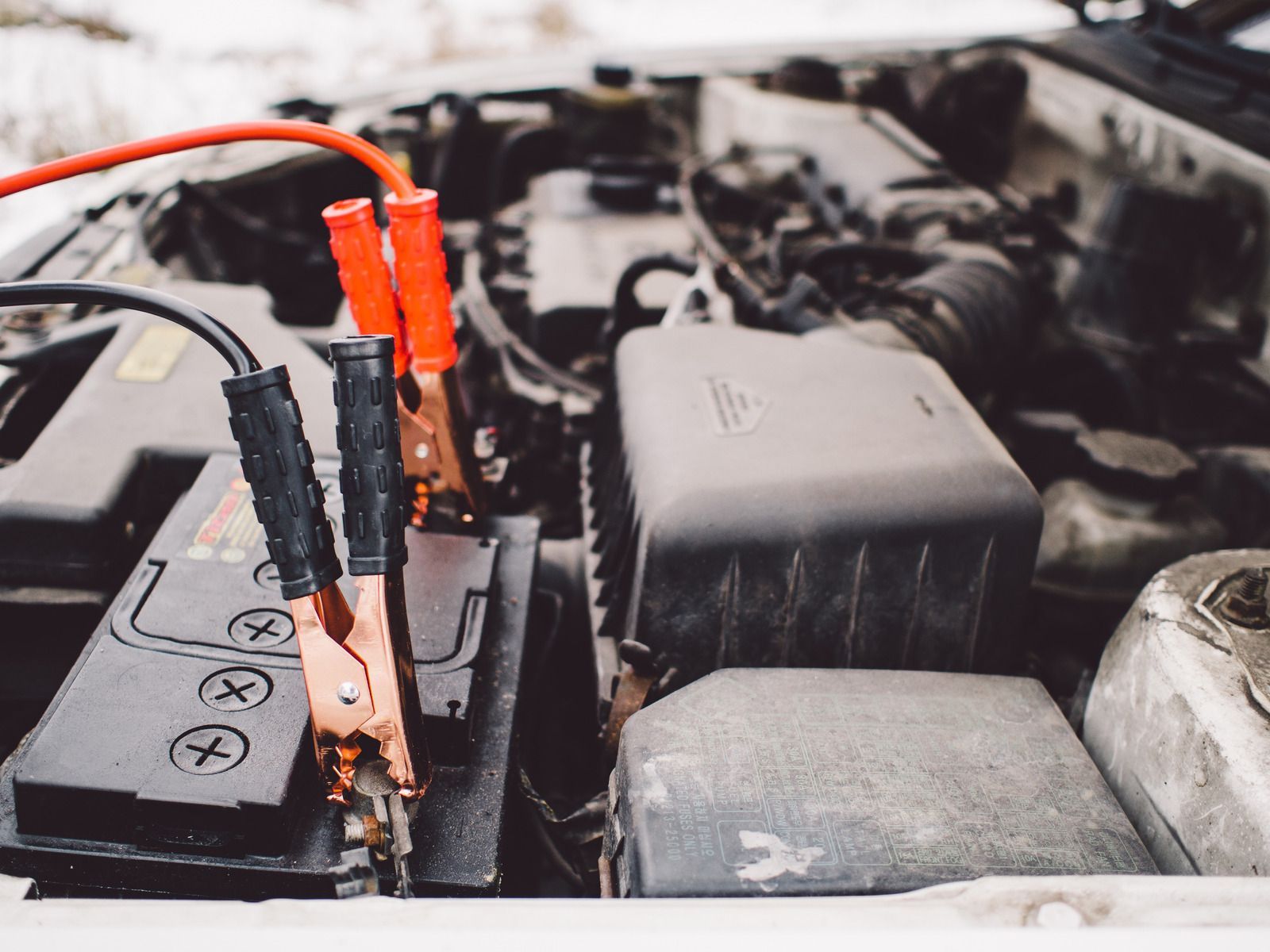
Experiencing a car breakdown, accident, or sudden mechanical failure is stressful, particularly when it occurs far from home or outside regular service hours. During such moments, immediate, reliable towing is crucial—not just for convenience but also for protecting the vehicle from further damage. Light-duty towing offers a practical solution for small to medium-sized vehicles, combining affordability with safety and efficiency. It addresses a range of common scenarios, including roadside breakdowns, tire failures, minor collisions, and mechanical issues, ensuring vehicles reach repair shops or safe locations promptly.
Understanding the value of light-duty towing is essential for vehicle owners who want dependable support without incurring excessive costs. Unlike heavy-duty or specialized towing services, light-duty towing is specifically designed for cars, small trucks, and SUVs, optimizing handling, transport safety, and cost-effectiveness. With professional practices and modern equipment, this service minimizes the risks associated with improper towing while providing an economical alternative for routine vehicle recovery. By exploring how light-duty towing operates, its advantages, and real-world applications, vehicle owners can make informed decisions that safeguard both their vehicles and budgets.
Understanding Light‑Duty Towing – What It Is and How It Works
Definition and Scope
Light-duty towing refers to the transport of vehicles typically under 10,000 pounds, including sedans, compact cars, SUVs, and small pickup trucks. This category of towing is ideal for everyday passenger vehicles and is tailored to handle common roadside emergencies efficiently. Unlike flatbed towing for heavy or commercial vehicles, light-duty towing employs specialized trucks designed to lift or pull vehicles without causing additional mechanical stress.
Key Equipment Used
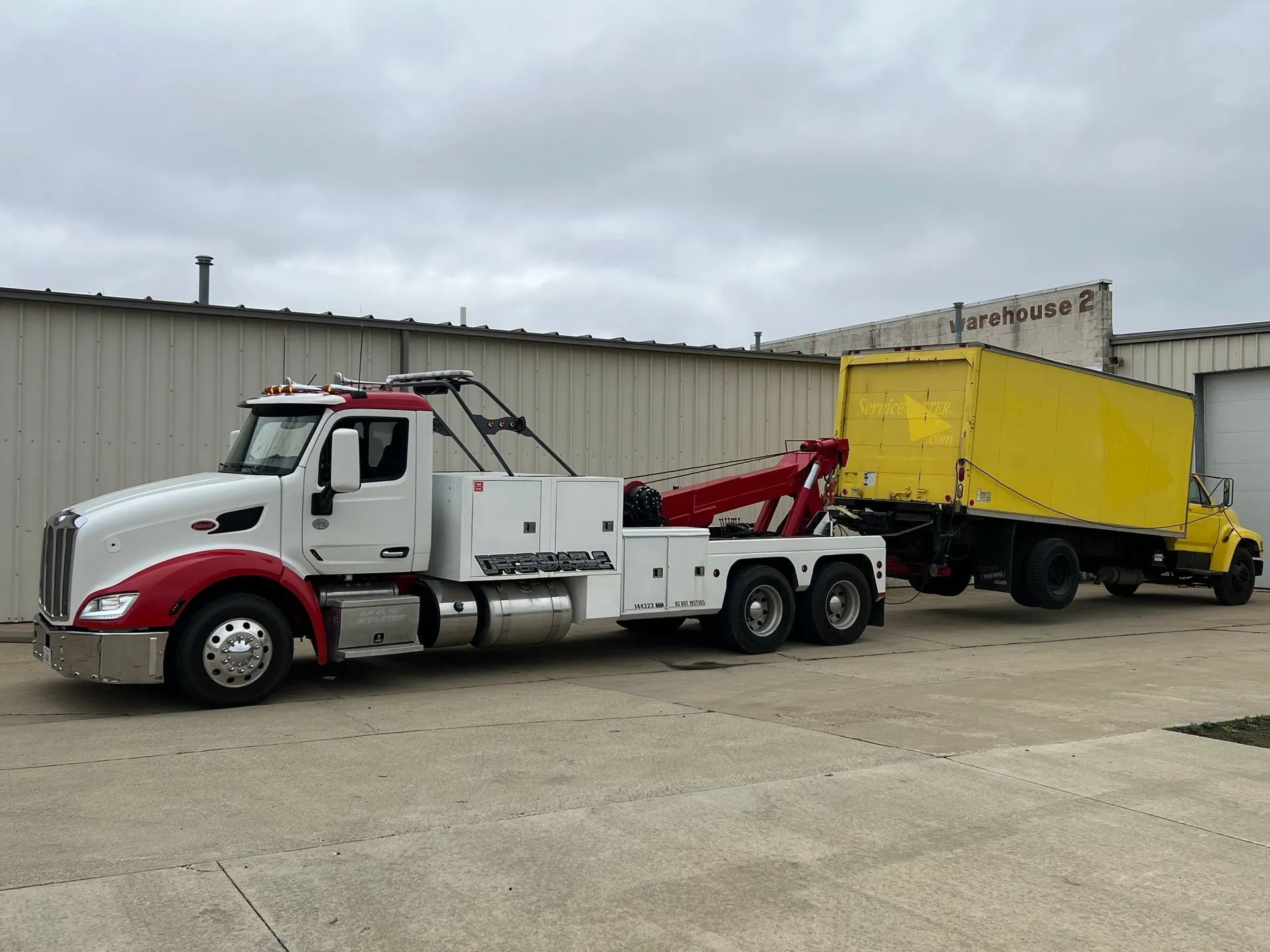
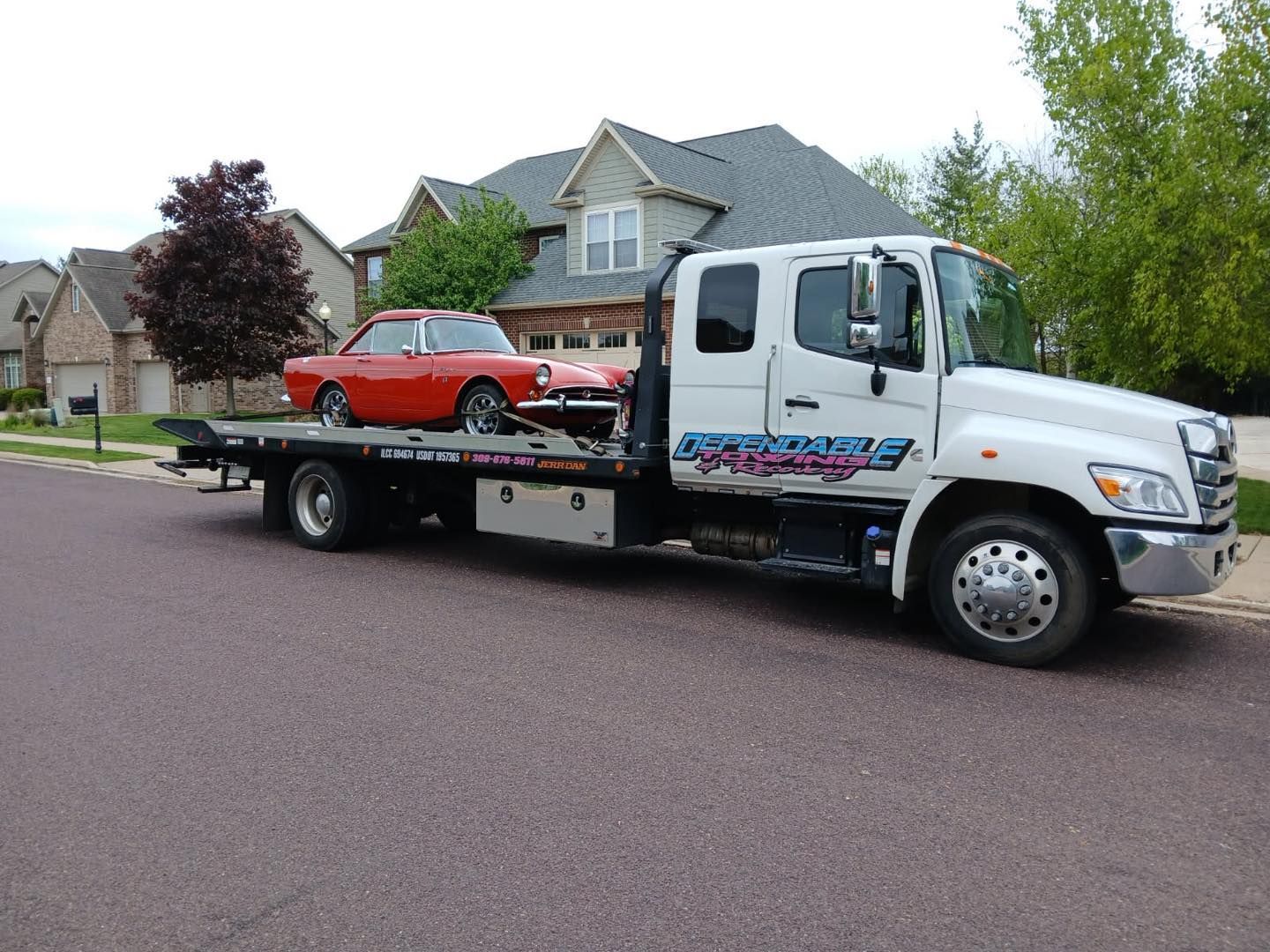
Light-duty towing relies on two main types of equipment: hook-and-chain systems and wheel-lift trucks. Modern practices prioritize wheel-lift or flatbed systems to prevent damage to tires, suspensions, and bodywork. Flatbed trucks offer the highest level of safety for long-distance transport, while wheel-lift trucks are efficient for quick recoveries in congested or tight areas. Proper equipment selection ensures the vehicle remains secure and undamaged during transport.
How the Process Ensures Safety
Every light-duty tow follows a step-by-step protocol. Vehicles are assessed for damage or instability, secured using calibrated lifting mechanisms, and transported at controlled speeds to minimize mechanical stress. Safety measures include stabilizing straps, anti-slip mats, and experienced navigation through traffic. This systematic approach protects both the vehicle and the surroundings, providing peace of mind during emergencies.
Common Scenarios for Light‑Duty Towing
Roadside Breakdowns
Mechanical failures such as engine overheating, electrical issues, or transmission problems are common causes of unexpected roadside stoppages. Light-duty towing ensures that these vehicles can be moved safely to repair facilities without worsening the problem. For instance, a car stalled on a highway shoulder requires immediate attention; improper towing could damage the transmission or drivetrain.
Flat Tires and Minor Accidents
A flat tire or minor collision often renders a vehicle immobile, especially in urban or high-traffic areas. Towing services quickly transport the car to a tire shop or body repair center, minimizing waiting times and exposure to traffic hazards. Efficient towing prevents further damage, such as rim scratches or suspension misalignment, which can occur when vehicles are pushed or dragged incorrectly.
Parking and Relocation Needs
Light-duty towing is also useful for planned vehicle relocations or repossessions. Vehicles that need to be moved due to parking violations, storage arrangements, or logistical challenges can benefit from professional towing to avoid unnecessary wear and tear. In these cases, the service is both practical and cost-effective compared to driving the vehicle manually over long distances.
Seasonal and Weather‑Related Situations
Winter conditions, flooding, and severe storms can leave vehicles stranded in unsafe locations. Light-duty towing provides a reliable solution, reducing the risk of damage caused by environmental factors. Transporting a car safely out of snowed-in or waterlogged areas prevents corrosion, tire stress, and potential engine complications.
Benefits of Using Light‑Duty Towing
Cost-Effective Vehicle Recovery
Compared to heavy-duty or emergency road services, light-duty towing is budget-friendly. Rates are typically calculated based on mileage and service complexity, which allows for predictable and affordable pricing. This makes it an ideal option for individuals seeking reliable support without incurring high costs.
Minimizes Vehicle Damage
Proper light-duty towing reduces risks associated with improper handling, such as bent axles, scratched paint, or transmission damage. Vehicles are secured using professional techniques and modern equipment, ensuring that sensitive components remain protected. For example, transporting a front-wheel-drive sedan with a wheel-lift system prevents strain on the rear drivetrain and avoids potential mechanical failures.
Quick Response and Convenience
Light-duty towing services prioritize rapid response to emergencies. By quickly addressing breakdowns or accidents, vehicles spend less time exposed to potentially hazardous conditions. This speed reduces stress for drivers and allows repair or maintenance to begin promptly, minimizing downtime and associated costs.
Enhances Roadside Safety
Professional towing ensures that vehicles are removed efficiently from potentially dangerous locations such as highways, busy intersections, or poorly lit areas. By securing the vehicle and controlling its movement, the risk of secondary accidents or collisions is significantly reduced, protecting both drivers and other motorists.
Peace of Mind for Vehicle Owners
Knowing that a dependable light-duty towing solution is available provides reassurance during stressful situations. Drivers can focus on safety and decision-making instead of worrying about improvised towing or vehicle damage, fostering confidence in handling emergencies.
Challenges and Considerations
Selecting the Right Service Provider
Choosing a towing service requires assessing reliability, equipment quality, and adherence to safety protocols. A poorly equipped or inexperienced service provider may increase the risk of damage or delays. Checking credentials, customer reviews, and response times ensures the service meets professional standards.
Understanding Vehicle-Specific Needs
Different vehicles require specific towing approaches. Front-wheel-drive, rear-wheel-drive, and all-wheel-drive vehicles each have unique handling requirements. Understanding these nuances ensures that towing procedures do not compromise mechanical components or safety. For instance, towing an all-wheel-drive car improperly can result in drivetrain damage or costly repairs.
Environmental and Road Conditions
Adverse weather, narrow streets, or rough terrain can complicate towing operations. Professionals plan routes and employ equipment adjustments to navigate these challenges effectively. Flatbed trucks may be preferred for rough roads, while wheel-lift systems provide maneuverability in congested urban areas.
Cost Transparency and Planning
While light-duty towing is affordable, unexpected charges can occur if additional services such as winching, long-distance transport, or after-hours response are needed. Reviewing service terms and understanding pricing structures avoids surprises, enabling informed decisions and budget management.
Best Practices for Safe and Efficient Towing
Proper Vehicle Preparation
Before towing, ensure the vehicle is in neutral, parking brakes are disengaged, and loose items are secured inside the car. These precautions reduce the risk of damage and ensure stability during transport.
Communicate Vehicle Details Clearly
Providing accurate information about the vehicle type, condition, and location allows towing services to select the appropriate equipment and plan logistics efficiently. Clear communication speeds up response times and ensures the safety of both the vehicle and towing personnel.
Use Licensed and Insured Services
Working with licensed and insured towing providers guarantees adherence to safety standards and legal compliance. In case of accidents or unexpected damages, insurance coverage provides protection for the vehicle and driver.
Regular Vehicle Maintenance
Preventative maintenance, including tire checks, battery inspections, and fluid monitoring, reduces the likelihood of breakdowns requiring towing. While towing services provide a safety net, minimizing emergency incidents through proactive care is cost-effective and convenient.
Plan for Emergency Situations
Having a reliable towing plan, including contact information and service knowledge, prepares drivers for emergencies. Quick access to light-duty towing resources reduces stress and ensures the vehicle is handled safely from the onset of a breakdown.
Real-World Impact and Case Examples
Urban Roadside Recovery
A compact SUV stranded on a downtown street during rush hour demonstrates the importance of efficient towing. Quick response with a wheel-lift truck enabled safe removal, preventing traffic congestion and avoiding additional mechanical strain.
Highway Breakdown Assistance
A sedan experiencing engine overheating on a highway shoulder benefited from flatbed towing to a nearby repair facility. The vehicle remained undamaged, and the driver avoided prolonged exposure to unsafe conditions.
Minor Accident Recovery
Following a minor fender-bender, a light-duty tow transported the vehicle to a repair shop without worsening existing damage. Secure lifting and careful transport preserved structural integrity, highlighting the advantage of professional handling over improvised solutions.
Seasonal Challenges
During winter, vehicles trapped in snowed-in driveways or icy roads required immediate removal. Light-duty towing provided a safe, damage-free solution, illustrating the service’s versatility across environmental conditions and demonstrating cost-effective emergency mitigation.
Expert Light‑Duty Towing Services Ensuring Reliable Protection
Light-duty towing is an essential service for vehicle owners seeking reliable, safe, and affordable recovery options. By understanding its applications, benefits, and operational best practices, drivers can navigate breakdowns, minor accidents, and emergency situations confidently. From cost-effective transport to minimizing vehicle damage, light-duty towing ensures peace of mind while maintaining efficiency and safety.
Dependable Towing & Recovery, based in Peoria, Illinois, brings over 50
years of hands-on expertise to the towing and vehicle recovery industry. Our services combine advanced equipment, strategic planning, and a commitment to vehicle safety, offering residents and drivers dependable solutions for any light-duty towing need. Every transport is executed with precision and care, ensuring vehicles arrive securely at their destination without unnecessary costs. Our reputation is built on trust, experience, and a dedication to providing professional, affordable, and reliable towing services across Illinois. With us, vehicle safety and budget-conscious solutions go hand in hand, making roadside emergencies manageable and worry-free.