
Choosing the Right Medium‑Duty Towing Provider for Commercial Vehicles
June 8, 2026
Commercial vehicles play a critical role in keeping businesses moving. From delivery vans and utility trucks to box trucks and service vehicles, medium-duty commercial fleets support industries that depend on reliable transportation and timely operations. When one of these vehicles experiences a breakdown, collision, mechanical failure, or roadside emergency, downtime can quickly lead to missed deadlines, disrupted schedules, lost revenue, and dissatisfied customers. In these situations, selecting the right medium-duty towing provider becomes an important business decision rather than a simple roadside service call. The quality of towing support directly influences vehicle safety, recovery time, repair outcomes, and overall operational continuity. A reliable towing partner can help businesses respond faster to unexpected situations and reduce the operational impact of vehicle-related disruptions. Proper recovery services also contribute to protecting valuable equipment and maintaining customer confidence.
Many fleet operators focus primarily on vehicle maintenance and driver safety but overlook the importance of establishing a relationship with a qualified towing provider before an emergency occurs. Not all towing companies possess the equipment, training, or experience necessary to handle medium-duty commercial vehicles properly. Choosing a provider based solely on proximity or price can create additional challenges, including improper recovery methods, equipment damage, unnecessary delays, and increased repair costs. Understanding what separates a professional medium-duty towing provider from a basic towing service helps business owners make informed decisions. This guide explores the key factors to evaluate when selecting a towing partner capable of protecting commercial assets and minimizing operational disruptions. By taking a proactive approach, fleet managers can strengthen their emergency preparedness plans and improve long-term operational resilience. The right towing provider becomes an important resource that supports both vehicle performance and business continuity.
Understanding the Unique Requirements of Medium-Duty Vehicle Towing
What Qualifies as a Medium-Duty Commercial Vehicle?
Medium-duty vehicles occupy the space between passenger vehicles and heavy-duty commercial trucks. Common examples include box trucks, delivery vehicles, utility trucks, landscaping vehicles, shuttle buses, service trucks, and certain construction support vehicles. These vehicles often carry specialized equipment, cargo, tools, or materials that require careful handling during transport.
Because of their size and weight, medium-duty vehicles demand towing equipment specifically designed to support higher load capacities. Standard light-duty tow trucks may not be suitable for these situations and can increase the risk of damage during recovery or transport.
Why Specialized Equipment Matters
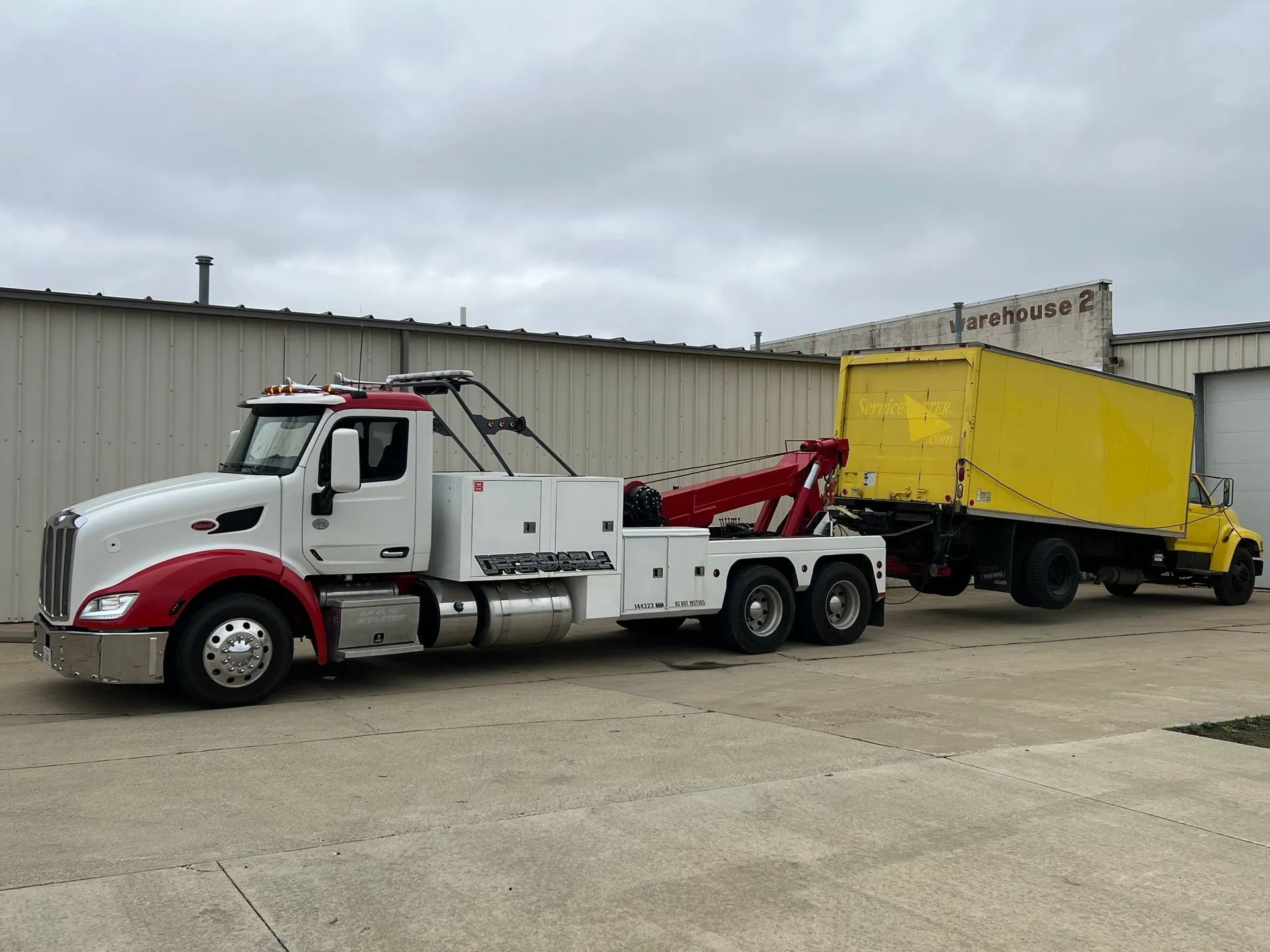
A qualified medium-duty towing provider invests in equipment engineered for commercial vehicle recovery. Wheel-lift systems, integrated tow trucks, flatbeds, recovery winches, air-cushion recovery tools, and specialized securing systems all contribute to safer transportation.
For example, a delivery truck experiencing transmission failure on a busy roadway requires more than a standard tow vehicle. Proper lifting points, weight distribution management, and secure transport procedures help prevent additional mechanical damage while protecting surrounding traffic and infrastructure.
The Cost of Choosing the Wrong Provider
Businesses sometimes discover the consequences of selecting an unqualified provider only after damage occurs. Improper towing can affect drivetrains, suspension systems, steering components, and cargo integrity. These avoidable issues may increase repair expenses and extend vehicle downtime.
Choosing a provider with the right capabilities from the beginning helps reduce operational risks and protects valuable commercial assets.
Evaluating Experience and Industry Expertise
Commercial Vehicle Knowledge Makes a Difference
Experience remains one of the most important factors when evaluating towing providers. Commercial vehicles differ significantly from passenger vehicles in terms of weight distribution, towing requirements, operational systems, and recovery challenges.
An experienced provider understands manufacturer recommendations, towing limitations, load considerations, and proper recovery techniques. This knowledge helps reduce risks during transportation and roadside recovery operations.
Industry-Specific Experience
Different industries have unique transportation needs. Service contractors, logistics companies, utility providers, construction firms, and delivery businesses all rely on vehicles configured for specific purposes.
A towing provider familiar with commercial operations can adapt recovery strategies to account for cargo, mounted equipment, specialized vehicle configurations, and scheduling priorities. This level of understanding helps create smoother recovery processes during stressful situations.
Training and Safety Standards
Professional towing companies prioritize ongoing training and safety education. Drivers and recovery operators should understand vehicle stabilization techniques, accident scene management, traffic control procedures, cargo considerations, and safe recovery practices.
Businesses should feel comfortable asking questions regarding certifications, training programs, safety protocols, and operator experience before selecting a towing partner.
Response Time and Service Availability
Downtime Impacts Business Performance
Every hour a commercial vehicle remains out of service can affect productivity and profitability. Delivery schedules may be delayed, customer appointments may require rescheduling, and operational efficiency may decline.
For this reason, response time should play a significant role when evaluating medium-duty towing providers. Fast dispatch capabilities help minimize disruptions and restore operations sooner.
Geographic Coverage and Fleet Capacity
A provider's service area and available fleet resources influence response capabilities. Companies operating across multiple regions often benefit from partnering with towing providers capable of supporting a broad geographic area.
Businesses should determine whether a provider has sufficient equipment and personnel to respond during periods of high demand, severe weather events, or large-scale traffic incidents.
Emergency Availability
Vehicle breakdowns rarely occur during convenient business hours. Commercial fleets often operate early mornings, evenings, weekends, and holidays.
Reliable providers maintain emergency response capabilities that allow businesses to access assistance whenever incidents occur. Around-the-clock availability can significantly reduce operational disruptions and improve fleet reliability.
Real-World Example
Imagine a plumbing contractor with multiple service trucks operating throughout a metropolitan area. If a vehicle becomes disabled during a peak service period, delayed towing could result in missed appointments and lost revenue. A responsive provider helps return the vehicle to a repair facility quickly, minimizing the impact on daily operations.
Equipment Capabilities and Recovery Resources
Assessing Fleet Strength
Not all towing fleets are created equal. Businesses should evaluate whether a provider possesses sufficient equipment to handle a wide variety of commercial vehicle situations.
A capable towing fleet may include integrated tow trucks, rollback carriers, recovery units, heavy winches, air-cushion recovery systems, and specialized transport equipment. These resources allow operators to address different roadside challenges safely.
Recovery Beyond Standard Towing
Commercial vehicle emergencies sometimes involve more than transporting a disabled vehicle. Rollovers, off-road incidents, loading dock accidents, weather-related emergencies, and accident recoveries may require specialized recovery expertise.
Providers equipped to manage complex recoveries can reduce the need for multiple contractors and simplify the recovery process.
Protecting Vehicle Condition During Transport
Professional towing operations focus on preserving vehicle integrity throughout transport. Proper loading techniques, securement procedures, and route planning help prevent avoidable damage.
Businesses should look for providers that emphasize careful handling rather than simply moving vehicles from one location to another.
Cost Considerations and Long-Term Value
Looking Beyond the Lowest Price
While cost remains an important consideration, the lowest towing rate does not always provide the greatest value. Choosing a provider solely based on pricing may result in slower response times, inadequate equipment, or inexperienced operators.
Businesses should evaluate overall value rather than focusing exclusively on initial service costs.
Understanding Service Transparency
Reputable towing providers offer clear pricing structures and explain service charges before work begins whenever possible. Transparent pricing helps businesses budget appropriately and avoid unexpected expenses.
Questions regarding mileage charges, recovery fees, after-hours rates, storage fees, and specialized equipment costs should be addressed during the provider selection process.
Reducing Total Operational Costs
Reliable towing services contribute to broader cost savings by reducing downtime, preventing secondary vehicle damage, supporting faster repairs, and minimizing operational disruptions.
When viewed through the lens of fleet performance, investing in a qualified provider often proves more economical than choosing the lowest-cost option.
Developing a Preparedness Strategy
Businesses benefit from creating an emergency response plan that includes a trusted towing partner. Having established contact information, service expectations, and response procedures before an incident occurs helps streamline emergency management and supports business continuity.
Trusted Support That Keeps Commercial Fleets Moving Forward
Selecting the right medium-duty towing provider requires careful evaluation of experience, equipment, response capabilities, safety standards, communication practices, and long-term value. Commercial vehicle emergencies create challenges that extend beyond simple transportation needs. The right provider helps protect assets, reduce downtime, improve recovery outcomes, and support operational continuity during unexpected events. Businesses that invest time in identifying a qualified towing partner before emergencies arise often experience smoother recovery processes and fewer disruptions. A provider equipped with specialized resources and commercial vehicle expertise can make a significant difference when roadside incidents occur. By prioritizing reliability, professionalism, transparency, and industry knowledge, fleet operators can build stronger contingency plans and maintain greater confidence in their transportation operations. Choosing wisely today can help prevent costly complications tomorrow while supporting the long-term success of commercial vehicle fleets.
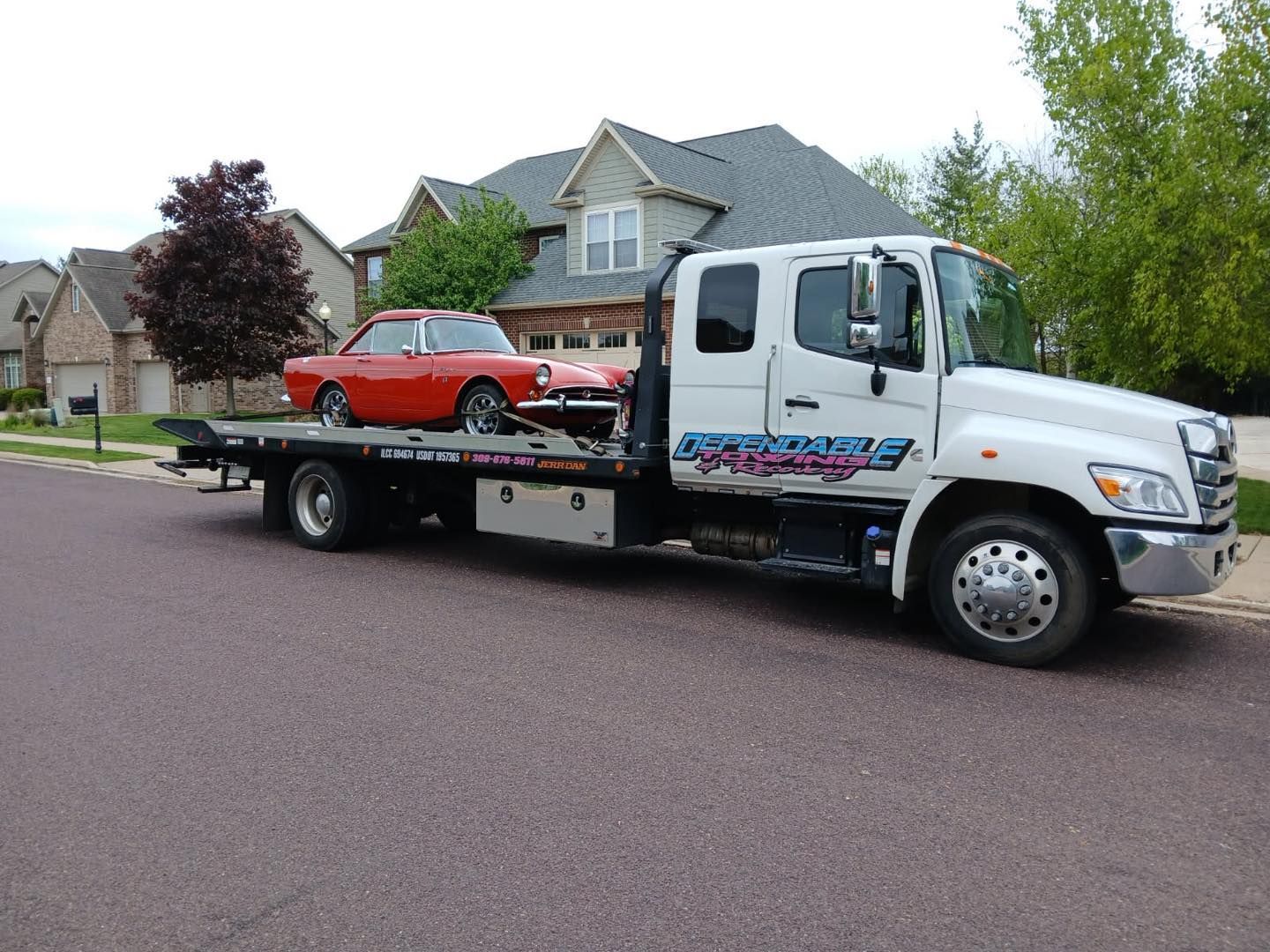
When businesses need dependable towing and vehicle recovery support, experience and proven capability matter. At Dependable Towing & Recovery, we bring 50
years of expertise in Towing & Vehicle Recovery Services to commercial vehicle operators throughout Peoria, Illinois. We understand the challenges fleet managers, contractors, logistics companies, and service providers face when vehicle downtime threatens daily operations. Our focus is on delivering prompt response, professional recovery solutions, specialized towing equipment, and attentive customer service that helps minimize disruptions. Our extensive industry experience allows us to provide solutions tailored to the unique demands of commercial transportation. By combining advanced recovery capabilities with decades of practical knowledge, we help businesses maintain continuity and confidence during unexpected vehicle emergencies. When reliability, expertise, and responsive service are priorities, we stand ready to provide the support commercial fleets depend on every day.