
Light‑Duty Towing Explained: What It Is and When You Need It
April 13, 2026
Towing is an essential service in modern transportation, providing assistance when vehicles become immobile due to accidents, breakdowns, or other unforeseen circumstances. Among the various towing services available, light‑duty towing is a specialized solution designed for smaller vehicles, including sedans, SUVs, and light trucks. Understanding what light‑duty towing entails can help drivers make informed decisions during emergencies and ensure vehicle safety while avoiding unnecessary costs.
Light‑duty towing is particularly relevant for individuals, commercial drivers, and fleet operators who encounter common roadside challenges. Unlike heavy‑duty towing, which is reserved for large commercial vehicles or machinery, light‑duty towing focuses on rapid response, efficiency, and versatility. Knowing when this service is appropriate can prevent vehicle damage, reduce downtime, and simplify recovery from breakdowns or accidents. With roadside incidents increasing due to traffic density and vehicle complexity, awareness of light‑duty towing is more important than ever. This guide provides an authoritative overview of light‑duty towing, including scenarios where it is necessary, the benefits it offers, and practical considerations to ensure safe and effective vehicle recovery.
Understanding Light‑Duty Towing
Definition and Scope
Light‑duty towing refers to the transportation of small to medium-sized vehicles using specialized tow trucks designed for vehicles typically under 10,000 pounds. This includes passenger cars, small SUVs, minivans, and light trucks. The equipment used often includes flatbed trucks, wheel-lift systems, and hook-and-chain setups, though flatbeds are generally preferred to minimize vehicle wear and tear.
Unlike heavy‑duty towing, which handles large trucks, buses, and construction equipment, light‑duty towing focuses on precision, speed, and safety for everyday vehicles. It involves careful handling to prevent damage to the vehicle's body, suspension, or drivetrain during loading, transport, and unloading.
Common Applications
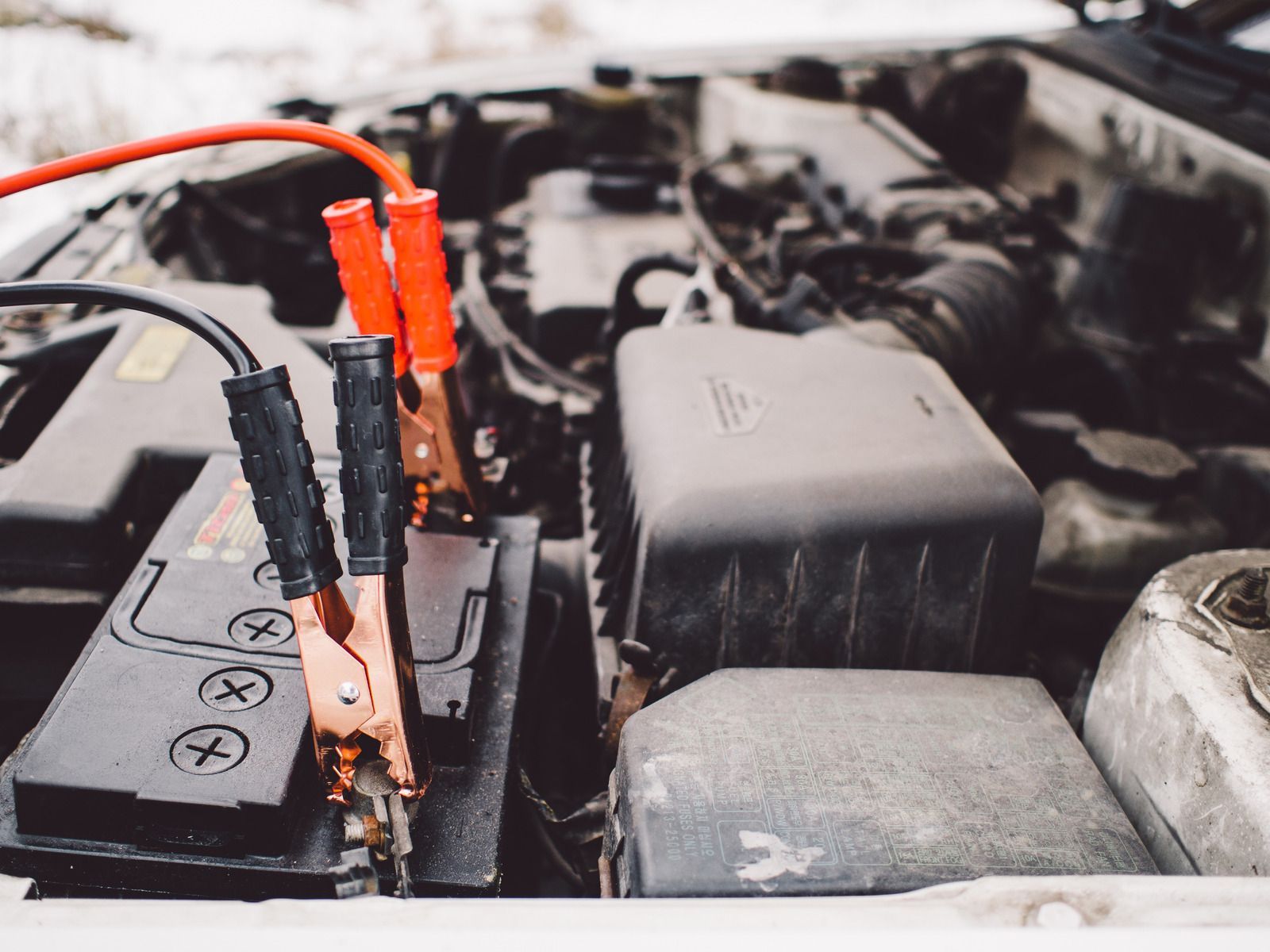
- Breakdowns: Vehicles experiencing engine failure, battery issues, or tire blowouts can be safely transported to repair facilities.
- Accidents: Light‑duty towing ensures vehicles involved in minor to moderate collisions are removed from roads safely, reducing traffic congestion and potential hazards.
- Parking Enforcement and Relocation: Vehicles improperly parked or in restricted zones can be relocated efficiently without causing structural damage.
Equipment Considerations
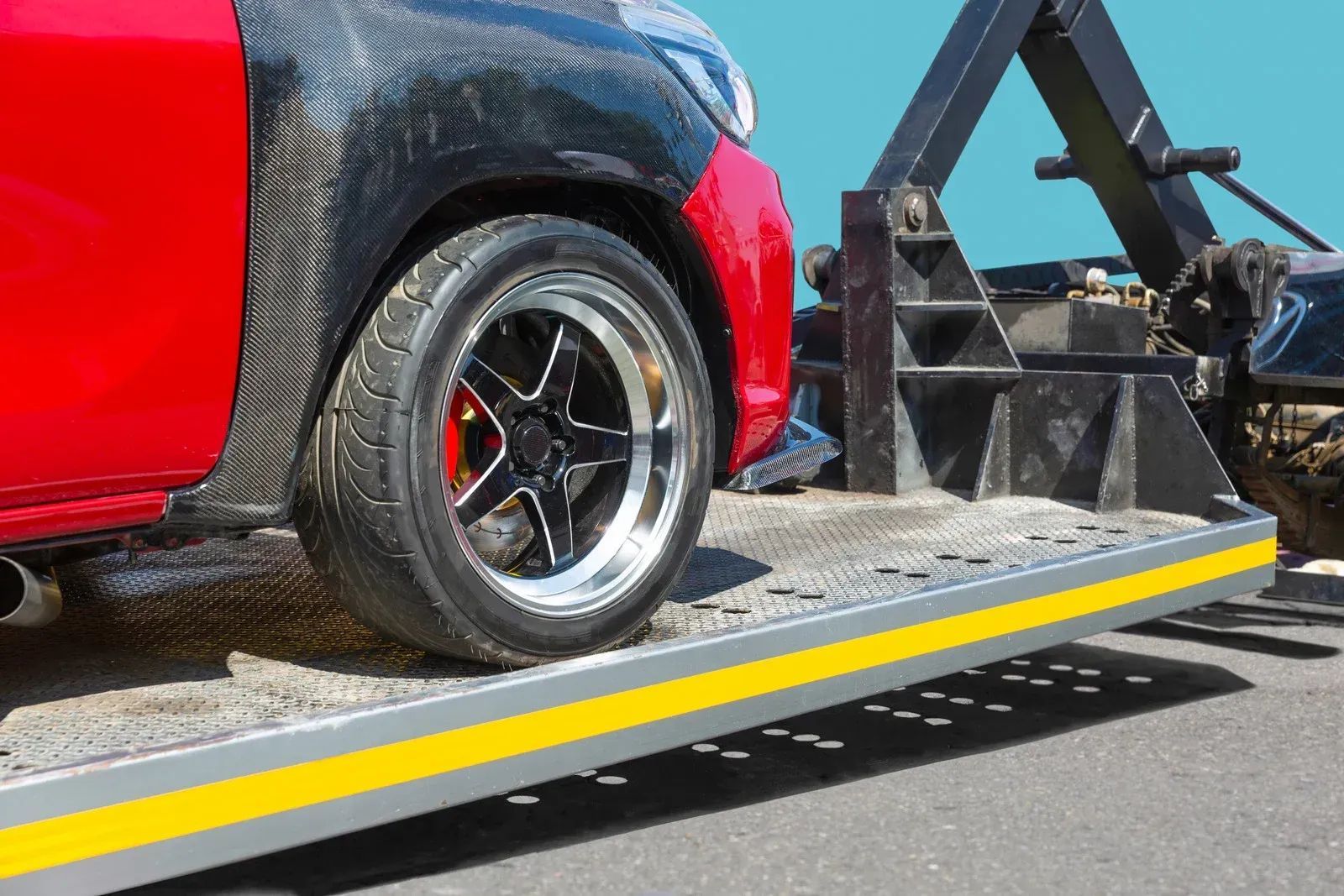
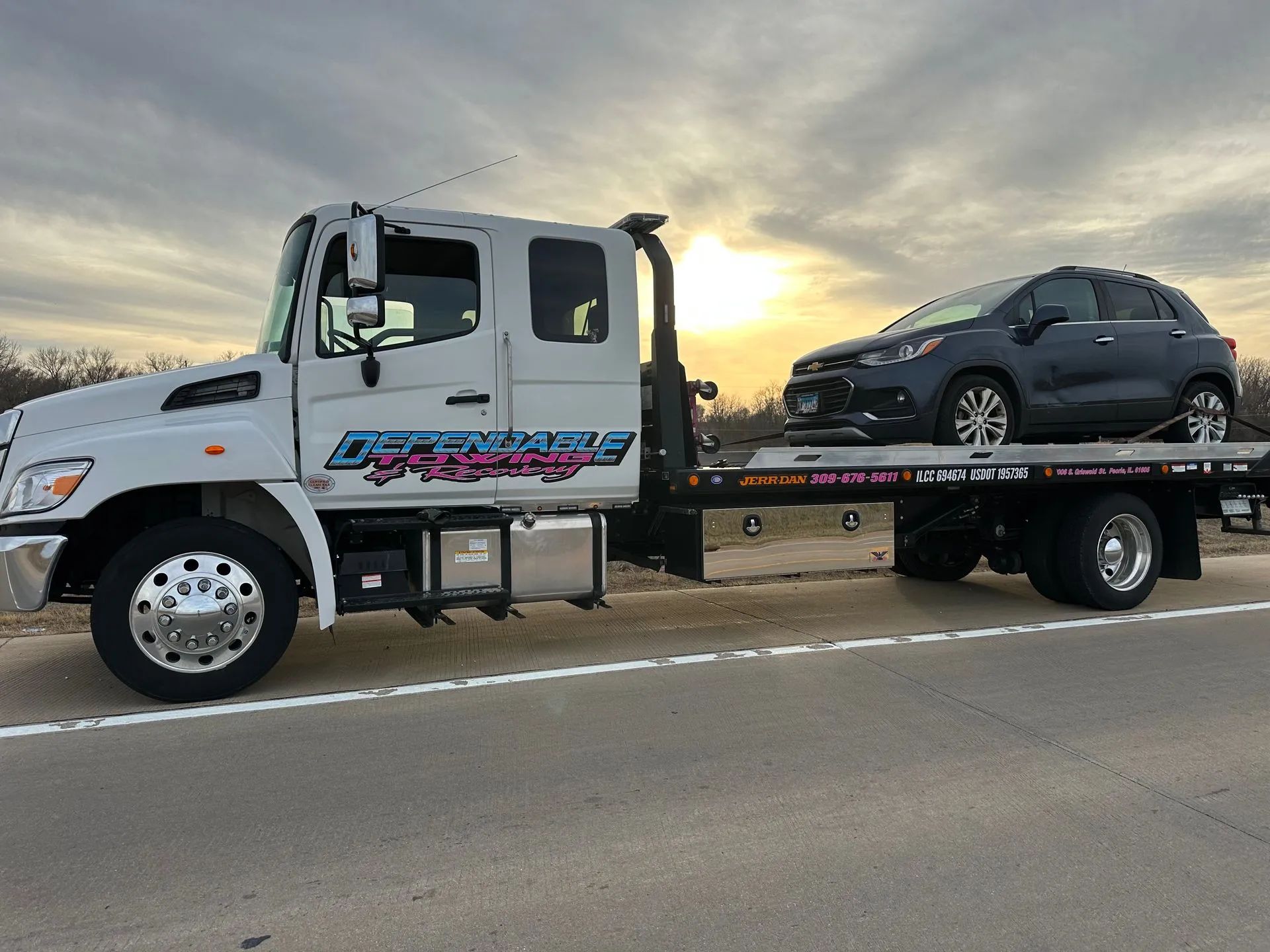
- Flatbed Tow Trucks: Ideal for long distances and vehicles requiring extra care. The entire vehicle is lifted off the road, preventing wear on tires or transmission.
- Wheel-Lift Tow Trucks: Useful for short distances; the truck lifts either the front or rear wheels, allowing the vehicle to be towed on its remaining wheels.
- Hook-and-Chain Systems: Less common due to potential damage to the vehicle but effective for emergency removals.
Understanding the scope and proper equipment ensures light‑duty towing remains a safe, efficient, and cost-effective solution for vehicle recovery.
When Light‑Duty Towing Is Needed
Roadside Breakdowns
Mechanical failures such as engine malfunctions, overheating, or electrical problems often leave drivers stranded. Light‑duty towing offers a quick solution, safely transporting the vehicle to a repair shop without additional stress or risk. Using appropriate towing equipment ensures minimal impact on the vehicle’s structure and mechanical systems.
After Accidents
Even minor collisions can render a vehicle inoperable or unsafe to drive. Light‑duty towing allows damaged vehicles to be removed from busy roads quickly, reducing traffic hazards and providing peace of mind. For vehicles with compromised frames or misaligned tires, flatbed towing is often the safest choice.
Transporting Vehicles
Light‑duty towing is frequently used for relocating vehicles, whether for personal reasons, dealership transfers, or moving classic or specialty cars. Flatbed trucks are particularly effective for long-distance transport, preserving the vehicle’s condition and protecting sensitive components from wear.
Parking Violations and Enforcement
Municipalities, property managers, and commercial operators often require the removal of improperly parked or abandoned vehicles. Light‑duty towing ensures swift and safe relocation while minimizing damage risk and liability concerns.
Knowing the scenarios where light‑duty towing is appropriate helps drivers and property managers make informed decisions, reducing both operational risk and unexpected costs.
Benefits of Light‑Duty Towing
Safety First
Light‑duty towing minimizes risk for both drivers and vehicles. Flatbed and wheel-lift systems provide secure transport, preventing additional damage or road hazards. This ensures driver safety during emergencies while maintaining vehicle integrity.
Cost-Effectiveness
Compared to heavy‑duty towing or emergency repairs caused by improper transport, light‑duty towing is a cost-efficient option. Using the right equipment reduces the risk of secondary damage, which could lead to higher repair costs.
Convenience and Efficiency
Quick response times and versatility make light‑duty towing a practical solution for drivers on short notice. Flatbeds and wheel-lifts allow for rapid removal of vehicles from roadside hazards, traffic congestion, or accident scenes, ensuring minimal disruption.
Vehicle Preservation
By employing the proper towing method, wear and tear on tires, transmissions, and body components is minimized. This is particularly important for luxury, classic, or high-performance vehicles, where damage during towing could be costly and difficult to repair.
Versatility Across Vehicle Types
While designed for smaller vehicles, light‑duty towing can accommodate a variety of passenger cars, SUVs, and light trucks, making it a flexible solution for roadside assistance, dealership logistics, and private transport.
Challenges and Considerations
Choosing the Correct Equipment
Selecting the appropriate towing method is critical. Flatbeds are safest but may not always be available, while wheel-lift systems require proper attachment and balance to avoid vehicle damage. Incorrect use of hook-and-chain systems can lead to scratches, dents, or frame stress.
Vehicle Condition
Vehicles with extensive damage, low clearance, or modified suspensions require specialized care during towing. Misjudging vehicle condition can lead to additional repairs, safety hazards, or costly delays.
Legal and Safety Compliance
Operators must adhere to local traffic regulations, including towing weight limits, securement requirements, and safety lighting. Non-compliance can lead to fines, liability, or unsafe transport conditions.
Environmental Factors
Weather, road conditions, and terrain can affect towing safety. Rain, ice, or uneven roads increase the risk of slippage or improper loading. Proper precautions, including tire chocks and stabilizing equipment, are necessary for safe towing.
Cost Implications
While light‑duty towing is generally affordable, factors such as distance, vehicle type, and emergency response timing can affect pricing. Understanding service rates and potential additional charges ensures transparency and avoids surprises.
Best Practices for Light‑Duty Towing
Pre-Towing Assessment
Before initiating towing, assess the vehicle’s weight, clearance, and damage status. Determine the most suitable equipment and method for secure transport. Conduct a visual inspection to identify any loose parts or leaks that could impact safety.
Proper Securing Techniques
Use appropriate tie-downs, wheel straps, and chocks to prevent movement during transport. Flatbed systems should have vehicles centered and evenly distributed to avoid shifting, while wheel-lifts require proper alignment and balancing.
Communication and Documentation
Clear communication with vehicle owners or operators ensures expectations are aligned regarding timing, fees, and handling precautions. Documenting vehicle condition before transport protects against disputes and provides a reference for post-towing assessment.
Emergency Preparedness
Always carry safety gear, warning lights, and tools for quick adjustments. Being prepared for roadside conditions, such as uneven terrain or weather disruptions, ensures safer and more efficient service.
Regular Equipment Maintenance
Tow trucks, winches, and lifting systems must be regularly inspected and maintained. Proper maintenance prevents equipment failure, ensures compliance with safety regulations, and extends operational lifespan.
Training and Expertise
Operators should have professional training in vehicle handling, securement, and transport procedures. Experienced knowledge of vehicle types and towing challenges reduces risk and improves efficiency.
Real-World Applications and Scenarios
Everyday Breakdowns
A driver on a busy urban street experiences a sudden engine failure. Rapid deployment of a light‑duty flatbed ensures the vehicle is transported without additional mechanical strain, reducing repair costs and road congestion.
Collision Recovery
Following a minor accident, a sedan is immobilized in a high-traffic area. Utilizing a wheel-lift tow truck quickly clears the road, allowing emergency services to operate unhindered while protecting the vehicle’s undercarriage.
Dealership Transfers
A dealership requires transportation of multiple new vehicles from a distribution center. Flatbed light‑duty towing allows safe, damage-free transport of sedans and SUVs over longer distances, maintaining showroom-quality condition.
Classic Car Relocation
An enthusiast purchasing a vintage vehicle benefits from flatbed towing to preserve delicate bodywork and suspension components. This prevents scratches, alignment issues, and other avoidable damage during transit.
Municipal Enforcement
An abandoned vehicle in a city parking lot needs removal. Light‑duty towing efficiently relocates the vehicle while minimizing risk to surrounding property and ensuring compliance with local regulations.
These scenarios demonstrate the versatility and necessity of light‑duty towing, highlighting both safety and practical benefits across everyday, professional, and emergency situations.
Expert Towing Services Ensuring Vehicle Safety Always
Light‑duty towing is an essential service for safe, efficient, and cost-effective vehicle recovery. It caters to small and medium-sized vehicles, offering flexibility, convenience, and protection from additional damage during transport. Understanding when and how to employ light‑duty towing ensures vehicles are handled responsibly, whether addressing breakdowns, collisions, relocations, or enforcement scenarios. Proper equipment selection, adherence to safety regulations, and experienced handling are crucial to maximizing the benefits of this service.
Dependable Towing & Recovery
in Peoria, Illinois, offers over 50
years of experience in towing and vehicle recovery services. With a commitment to safety, professionalism, and reliability, we provide rapid, expert light‑duty towing solutions designed to protect vehicles and simplify roadside challenges. Our knowledge of vehicle handling, secure transport, and emergency response ensures a trusted partner in every situation. Choosing dependable, experienced services guarantees peace of mind, knowing that vehicles are in capable hands, whether in routine situations or unexpected roadside emergencies.