
Abandoned Car Sitting on Your Property? Here's How Removal Actually Works
September 30, 2026
QUICK ANSWER: A car earns the label "abandoned" once it sits in one spot for weeks with no movement, flat tires, a dead battery, and no owner responding to a notice. Property managers should document the vehicle with dated photos, post written notice, and give it a reasonable window before calling in a tow company that handles this specific process. The tow operator verifies the details, arranges the pickup, and stores the vehicle so the owner has a way to reclaim it. You never need to touch the car yourself.
You've walked the same parking lot for three weeks straight, and that gray sedan in the back row hasn't moved once. Snow piled up around the tires in December, then melted into a dirty puddle that refroze overnight into a sheet of ice locking it to the pavement. A property manager in Peoria or Morton sees this every winter: a car that used to belong to someone just sits there, gathering road salt and dust, while tenants ask why it's taking up a spot they need.
The instinct is to have it hauled off the next morning. But abandoned vehicle removal has a process behind it, and skipping steps creates more headaches than the car itself ever did. Getting it right protects you from a tenant dispute later and gets the space back cleared for good.
This walks through how that process actually plays out, from the first time you notice the car to the day the tow truck pulls away.
Spotting the Difference Between Parked and Abandoned
Not every car that sits still for a few days is abandoned. A tenant on vacation, a vehicle waiting on a part from the dealership, a visitor's car left overnight after a snowstorm — none of that counts yet. The real signs show up over time and stack on top of each other.
Look for a flat tire that never gets fixed, then a second one a week later. A film of dust or pollen builds up undisturbed on the hood and windshield. Battery corrosion creeps up the terminals because nobody has started the engine in a month. Registration tags on the plate are faded or missing entirely, and a parking permit sticker from two seasons ago is still on the windshield. In central Illinois, winter makes this easier to spot: snow that never gets brushed off, ice that forms around all four tires without a single tire track breaking it, and road salt caking the wheel wells untouched.
TIP: Chalk the back of each tire and check it again in 48 to 72 hours. If the mark's still undisturbed, the car hasn't moved — a small step, but it's the kind of detail that matters if the situation ever gets questioned later.
Document Before You Do Anything Else
Once you suspect a vehicle is abandoned, start a paper trail. Take dated photos from multiple angles — the plate, the VIN through the windshield if you can see it, the exact parking spot, and any damage or flat tires. Note the first date you noticed it sitting still and check back on a set schedule rather than randomly.
Pull your lease agreements or property parking policy. Most rental properties and commercial lots already have language about vehicle registration, parking permits, or time limits on unmoved cars. That language is what gives you the standing to act, so know what yours actually says before you do anything else.
Keep this file even after the car is gone. If a tenant or vehicle owner ever disputes the removal, the dated photos and notes are what settle it.
Posting Notice and Giving It Time
A written notice belongs on the vehicle itself — tucked under the wiper or taped to the driver's window — stating that the car has been identified as unattended, giving a contact number, and setting a deadline to move it. Some properties also post a notice on a community board or send written word to the unit associated with the space, if that's known.
Give it a real window. A few days isn't enough to know whether someone's actually coming back for the car. A longer stretch — long enough for someone to notice the notice, deal with a broken-down vehicle, or arrange their own tow — shows good faith and heads off the argument that you moved too fast.
Most vehicles that are going to move, move during this window. The owner sees the notice, remembers the car exists, and deals with it. The ones that don't move are the ones that actually need the next step.
Why You Shouldn't Move the Vehicle Yourself
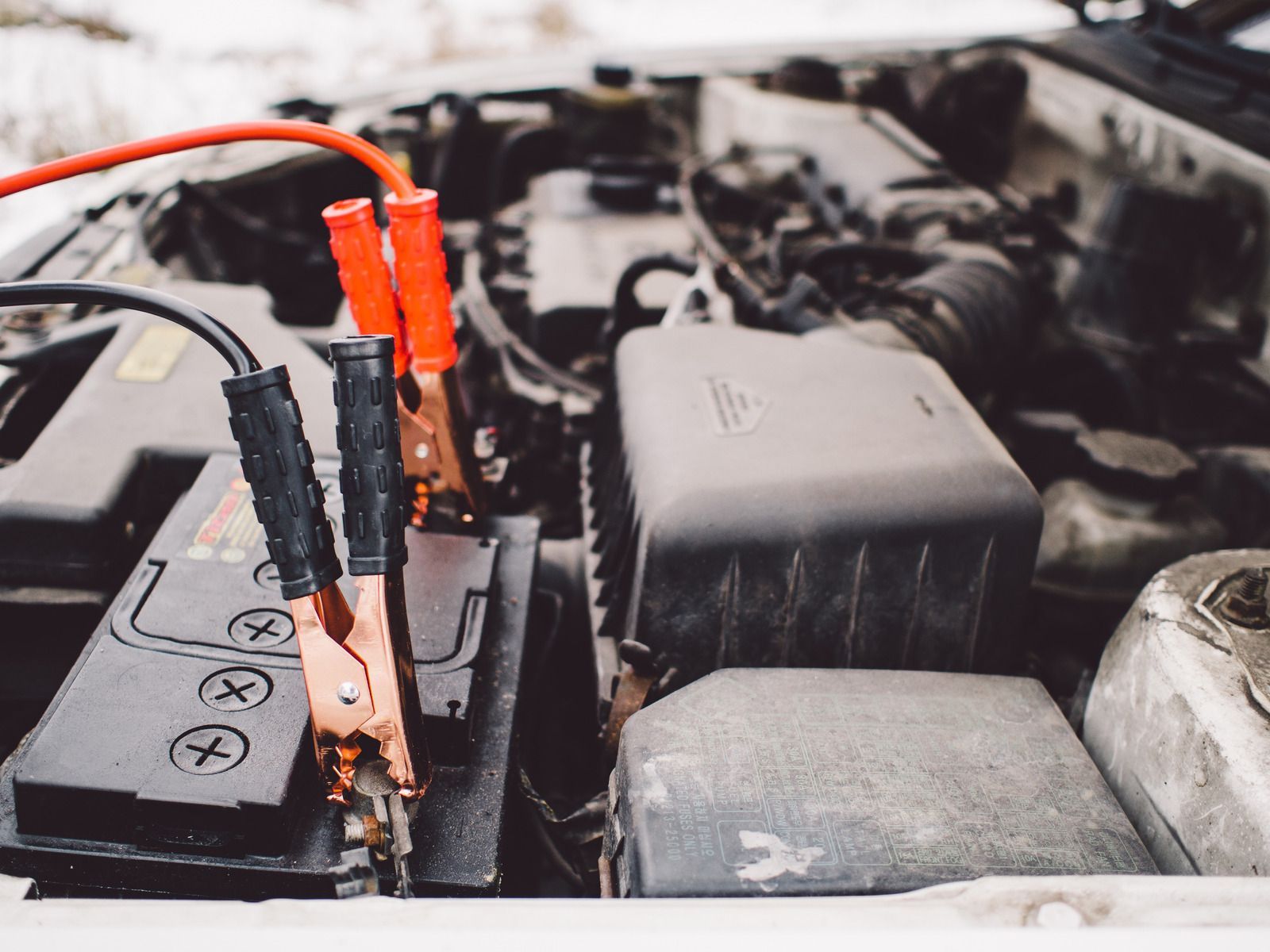
It's tempting to just push the car to a different spot or have maintenance staff try to jump-start it and drive it off the lot. Don't. You don't know the condition of the battery, the brakes, or whether the wheels have seized after sitting through a Peoria winter, and none of that is something to find out mid-push.
If a tire blows while your maintenance guy is pushing it, or the car rolls into another vehicle because the parking brake was never actually engaged, that damage lands on you and your property, not the vehicle's owner.
WARNING: A car that's been sitting for weeks can hide a seized parking brake, a fuel leak, or wheels frozen solid to the pavement. Moving it without the right equipment risks damage or injury your insurance may not cover. Leave the physical handling to a tow operator who does this daily and carries coverage built for it.
What a Tow Company Actually Does From Here
This is the part most property managers get wrong — they assume any tow truck can just show up and haul the car away same-day. A tow company that specializes in abandoned vehicle removal does more than hook up and drive. They verify the plate and, where possible, run the VIN to check ownership and confirm the vehicle isn't reported stolen, which happens more often than people expect with cars left sitting in one place for weeks.
They also know the notification and holding-period practices that apply in your area, which vary by municipality and property type. Rather than researching that yourself, a towing partner who handles these removals regularly already has the paperwork template and process down. That's the entire value of bringing in a specialist instead of a generic tow: they keep the removal defensible if the vehicle owner ever surfaces and asks questions.
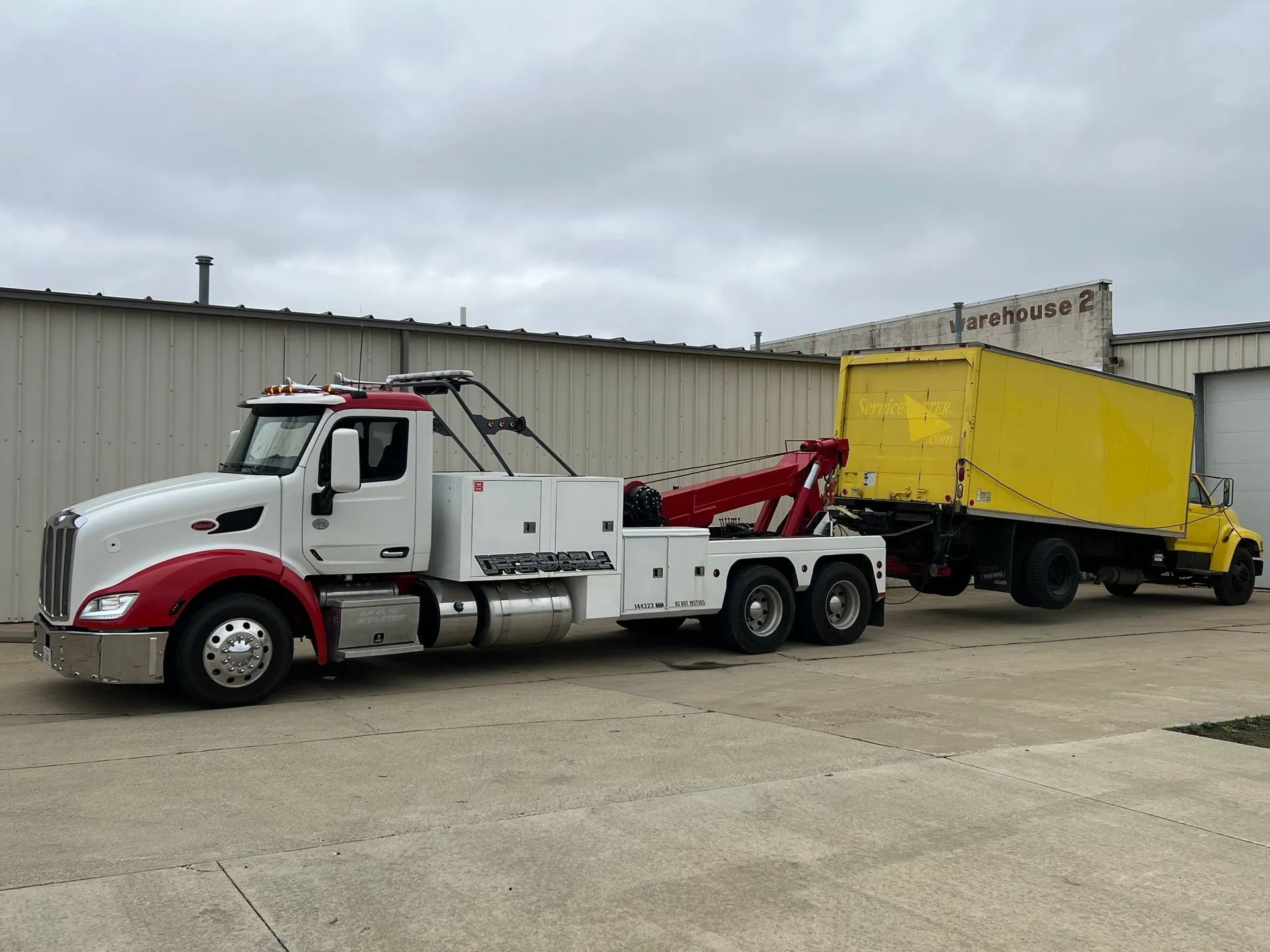
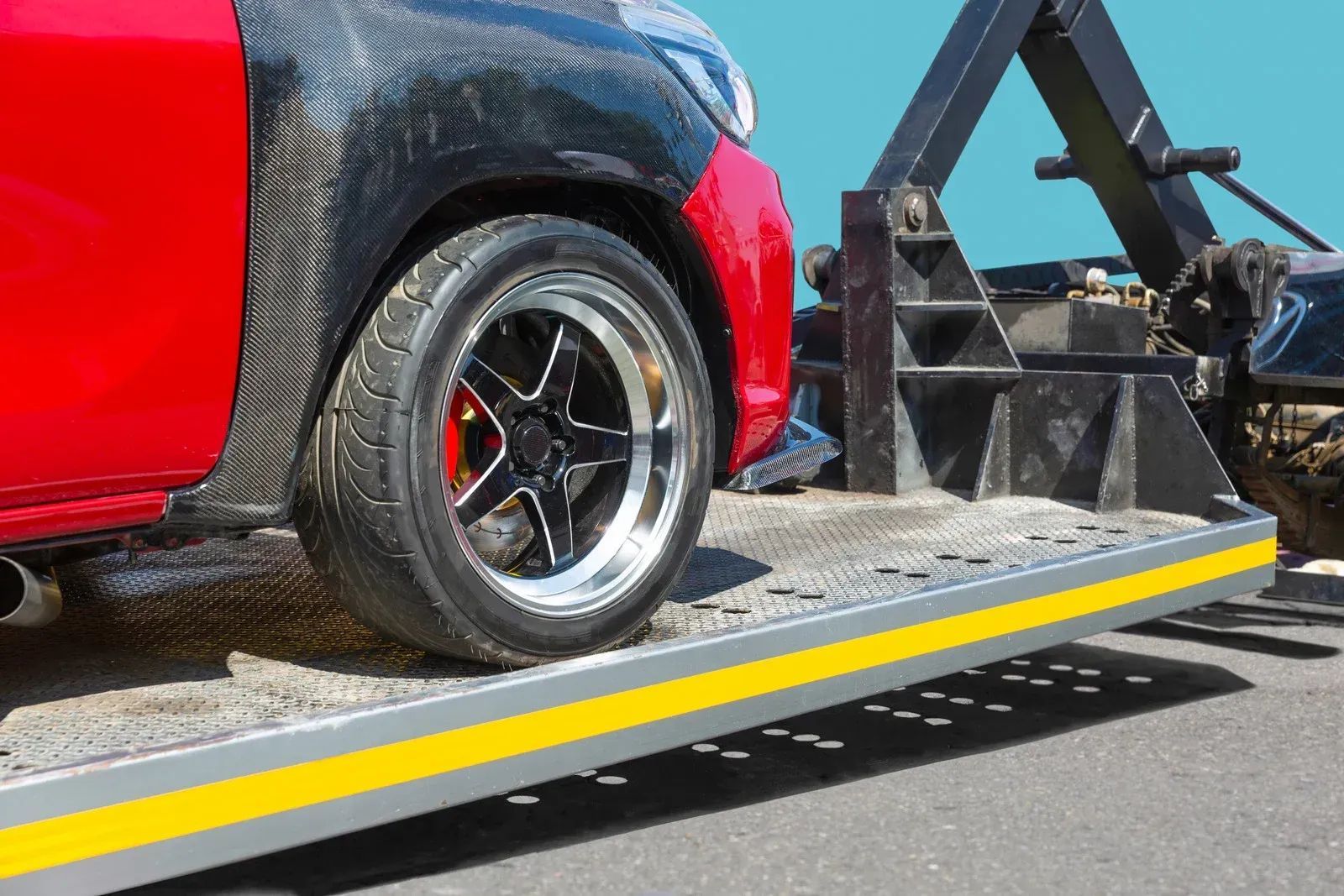
Once everything checks out, they hook the vehicle up — usually with a flatbed if the tires are flat or the wheels are locked from sitting, since dragging a seized vehicle on its own wheels can wreck the drivetrain — and haul it to a secure storage yard. From there, it's off your property and out of your hands.
After the Tow: Storage, Claims, and Disposal
The vehicle doesn't just disappear once it leaves your lot. A reputable tow company holds it at a storage facility for a set period so the registered owner has a chance to claim it, provided they show up with proof of ownership and settle the towing and storage costs. Your part in this ends once the vehicle leaves the property — you're not the one collecting fees or fielding the owner's call.
If nobody claims it, the vehicle moves toward salvage or recycling depending on its condition. A car that's still mechanically sound might get sold through a lien sale process; one that's rusted through, missing an engine, or otherwise not worth saving gets stripped for parts and recycled responsibly rather than left to leak fluid into a parking lot or storm drain.
Ask your tow partner to send you a short confirmation once the vehicle is picked up and processed. It's one more piece for that file you started back in step one, and it closes the loop cleanly.
Keeping the Next One From Happening
A single abandoned car rarely happens in isolation. Once tenants or visitors realize a lot doesn't get monitored, more vehicles end up parked and forgotten — especially heading into a Central Illinois winter, when a car with a dead battery becomes easier to just walk away from than deal with in freezing temperatures.
Posted signage that spells out parking rules, registration requirements, and how long a vehicle can sit unmoved gives you the standing to act quickly next time instead of starting from scratch. Walking the lot on a regular schedule, rather than only after a complaint, catches a stalled-out vehicle in week two instead of month three. And having a towing partner already lined up before you need one means you're not scrambling to find someone who actually knows the process the first time it happens.
None of this eliminates abandoned vehicles completely. But it shrinks the window between "that car hasn't moved" and "that car is gone," which is really what property managers are after.
Frequently Asked Questions
How long does a car have to sit before it's considered abandoned?
There's no single universal number, and it depends on your property's own parking policy and local practices. What matters more than a specific day count is a documented pattern: no movement, expired or missing tags, and no response to a posted notice over a reasonable stretch of time.
Do I need the license plate number before calling a tow company?
It helps, but it's not required to get started. A tow operator experienced with abandoned vehicle removal can often pull details from the VIN visible through the windshield, and they'll walk you through what information they need before the pickup.
What if the car might belong to a current tenant?
Check your resident records and any assigned parking spots first. If it traces back to a current lease, that's usually handled through the lease terms directly rather than as a true abandonment case — a quick conversation often resolves it before a tow is ever needed.
What happens if the vehicle turns out to be stolen?
This is exactly why documentation and a proper process matter. A vehicle with a broken steering column, punched ignition, or other signs of tampering should be reported rather than handled as a routine abandoned-car case, and a tow company that does this work regularly will recognize those red flags during their check.
Can I have the vehicle towed the same day I notice it?
Only if it's posing an immediate hazard, like blocking a fire lane or emergency access. Outside of that, working through documentation and a notice period first protects you if the situation is ever questioned later.
Handling Abandoned Cars Without Creating New Problems
An abandoned vehicle handled properly comes down to patience and a clear record, not a rushed decision made the morning you first spot it sitting there. Documenting the car, posting notice, and giving it real time turns a messy situation into a defensible one. Dependable Towing & Recovery has spent 50 years serving Peoria, IL, learning exactly where these removals go sideways and how a careful process keeps a property manager clear of the disputes that follow a hasty tow.
The winters here only sharpen the point. A car left through months of salt, ice, and dead-battery cold rarely moves on its own, and the space it occupies belongs to tenants who noticed its absence long before you did. Every step covered above, from the first chalk mark on a tire to the confirmation that lands in your file, exists to shrink the gap between a car that has clearly stopped mattering to anyone and a spot that finally opens back up.