

Car Won't Start in a Peoria Cold Snap? When It's the Battery vs Something Else
July 20, 2026

QUICK ANSWER: When a car won't start in cold weather, the battery is the most common culprit, cold drains its power and thickens the engine oil, so a weak battery that worked in fall fails in a freeze. But not every no-start is the battery. The sound and behavior when you turn the key tell you a lot: slow cranking or clicking points to the battery or starter, while normal cranking that won't catch points more toward fuel or ignition. Knowing the difference helps avoid replacing the wrong part.
It is a Peoria winter morning, the temperature has dropped, and you turn the key, and nothing, or a slow groan, or a click. A car that will not start in the cold is one of the most common winter frustrations, and the cold is usually a big part of why it is happening.
The reflexive assumption is "it must be the battery," and often that is right, cold weather is hard on batteries and is the leading cause of winter no-starts. But not every no-start is a dead battery, and replacing a battery that was not the problem leaves you stranded again. The good news is that how the car behaves when you turn the key gives strong clues about whether it is the battery, the starter, the fuel system, or something else. Understanding those clues helps you, and whoever diagnoses it, zero in on the real cause. Here is how to tell a battery problem from something else in a cold snap.
Why Cold Is So Hard on Starting
Before sorting battery from non-battery, it helps to understand why cold weather causes so many no-starts in the first place, because it explains why the battery is the usual suspect.
Cold does two things that gang up on starting. First, it reduces a battery's available power, a battery puts out less current when it is cold, so a battery that was already weakening can drop below what is needed to start the engine once the temperature falls. Second, cold thickens the engine oil, so the engine is harder to turn over, meaning the starter and battery have to work harder at the exact moment the battery is weakest. The combination is why a battery that cranked the car fine in October can fail on the first hard freeze: the demand goes up just as the battery's capacity goes down.
This is also why winter is when marginal batteries finally die, the cold exposes a battery that was on its way out. So when a car will not start in the cold, the battery is the first thing to suspect, simply because cold-weather conditions are so tough on it. But the way it fails to start tells you whether the battery is really the issue.
Reading the Clues: What Happens When You Turn the Key
The single most useful diagnostic is paying attention to what the car does when you try to start it. Different problems produce different behavior, and these clues point toward the likely cause.
Slow, labored cranking ("rur... rur... rur")
If the engine turns over slowly and weakly, like it is struggling, that is a classic sign of a weak battery (or a poor connection). There is some power, but not enough to crank normally. This strongly points to the battery in cold weather.
A single click or rapid clicking, no cranking
A click or a rapid clicking sound when you turn the key, with the engine not turning over, often means the battery is too weak to engage the starter, or points to the starter itself or a connection issue. Clicking is commonly a battery or starter-related symptom.
Nothing at all, no sound, no lights
If absolutely nothing happens, no dash lights, no sound, that points to a completely dead battery, a dead connection, or an electrical issue cutting power entirely.
Normal, healthy cranking but won't catch
If the engine cranks at normal speed, it sounds like it is trying hard and turning over fine, but does not start, the battery is likely okay (it is cranking strongly), and the problem is more likely fuel, ignition, or another engine system not delivering what is needed to fire.
Dim lights and accessories
If your headlights and dash lights are dim or weak, that is another sign of a low battery; if they are bright and strong but the car still will not crank, the battery is probably not the issue.
So the pattern is roughly: weak or slow cranking, clicking, and dim lights point toward the battery (or starter/connections), while strong, normal cranking that just will not fire points away from the battery and toward fuel or ignition. That distinction is the key to not chasing the wrong part.
TIP: When your car won't start, pause before turning the key again and note exactly what happens: Do the dash lights come on, and are they bright or dim? Does the engine crank slowly, click, or do nothing? Does it crank normally but not catch? That precise description, more than "it just won't start," is what helps a technician diagnose it quickly, and it can save you from guessing and replacing the wrong part.
When It's Probably the Battery
Several signs, especially together and in the cold, make the battery the likely cause, and it is worth knowing them.
Slow, labored cranking, clicking, dim lights, and a car that struggled to start on recent cold mornings all point to the battery. So does age, batteries have a limited lifespan, and an older battery is far more likely to give out in the cold; if yours is several years old and the car is hard-starting in a freeze, the battery is a prime suspect. A battery that needed a jump-start recently, or that cranks fine once jumped, is also clearly implicating itself.
Connections matter too: corroded or loose battery terminals can mimic a weak battery, the power is there but not getting through, so the cause may be the connection rather than the battery itself. This is one reason a proper test matters; it distinguishes a truly weak battery from a good battery with a bad connection. The reassuring part is that a battery or connection problem is usually a simple fix once it is correctly identified.
When It's Probably Something Else
If the signs do not fit the battery, especially if the engine cranks strongly but will not start, the cause is likely elsewhere, and replacing the battery would not help.
The starter
If you get clicking or no crank but the battery tests good, the starter (the motor that turns the engine over) may be failing. Starter problems can resemble battery problems, which is why testing matters.
Fuel or ignition
Strong, normal cranking that will not catch points toward the engine not getting what it needs to fire, fuel delivery or the ignition system. The battery is doing its job (cranking), so the issue is downstream.
Cold-specific gremlins
Very cold weather can cause other issues, like fuel-system problems, that prevent starting even with a healthy battery.
Other electrical or connection issues
Sometimes the problem is a connection, a relay, or another electrical component rather than the battery itself.
The point is that "won't start in the cold" is not automatically "needs a battery." When the symptoms do not match a battery, replacing one is a waste, and the real cause, starter, fuel, ignition, or a connection, needs to be found. This is exactly why a proper diagnosis beats guessing, especially when a wrong guess leaves you stranded again on the next cold morning.
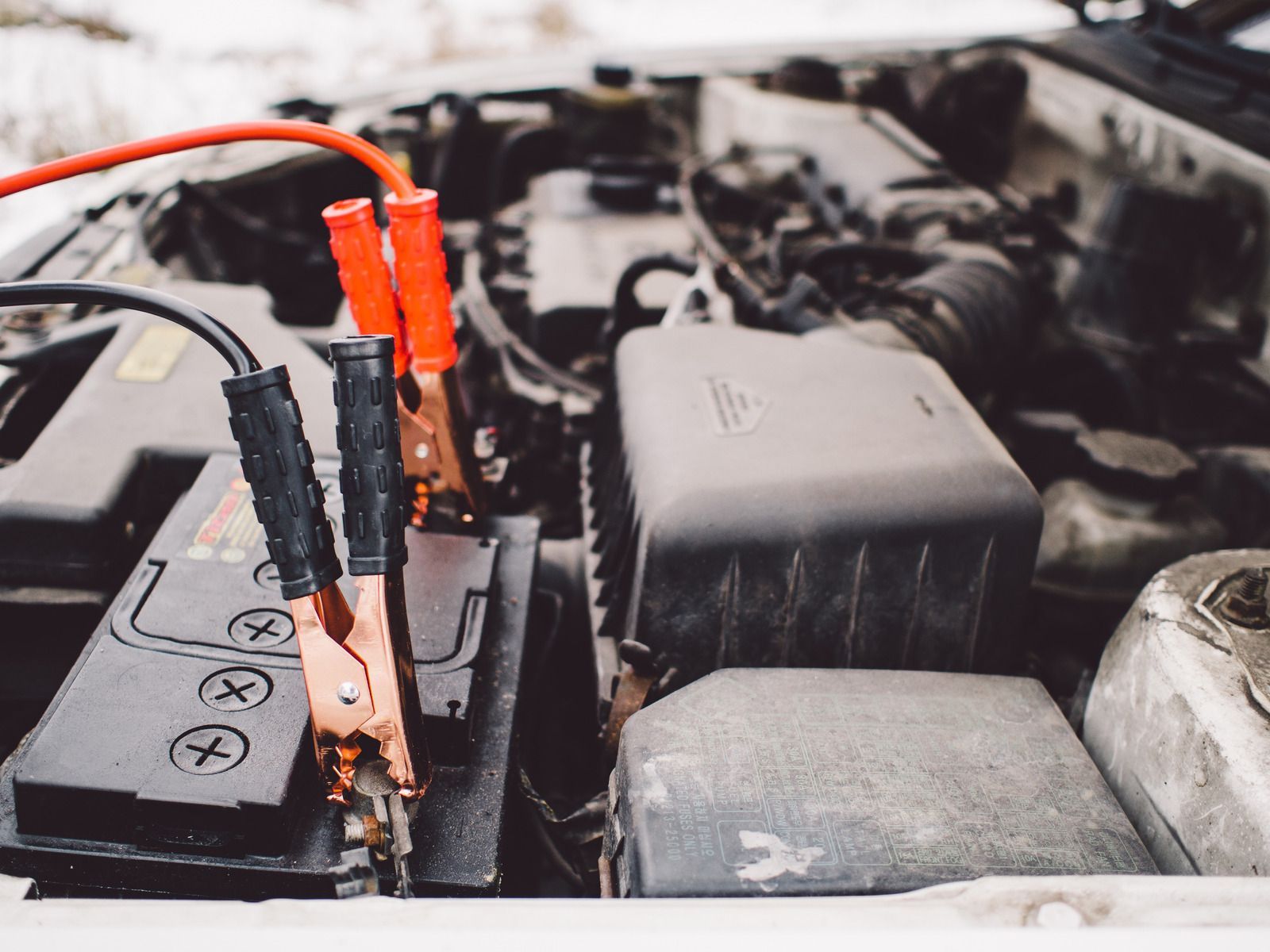
WARNING: Be cautious about jump-starting and about throwing parts at a no-start. Jump-starting can get you going, but if a weak old battery is the cause it will likely fail again, possibly leaving you stranded somewhere worse, and jump-starting must be done correctly to avoid injury or vehicle damage. And replacing a battery on a guess, when the real issue is the starter, fuel, or a connection, wastes money and doesn't fix the problem. A proper diagnosis identifies the actual cause before you spend on parts.
Frequently Asked Questions
Why does my car not start when it's cold?
Cold weather is hard on starting in two ways: it reduces the battery's available power and it thickens the engine oil so the engine is harder to turn over, more demand right when the battery is weakest. That combination is why a battery that worked in fall can fail in a freeze, which is why the battery is the most common cause of cold-weather no-starts.
How do I know if it's the battery or something else?
Listen to what happens when you turn the key. Slow, labored cranking, clicking, dim lights, or nothing at all point toward the battery (or a connection or starter). Strong, normal cranking that just won't catch points away from the battery and toward fuel or ignition. That behavior is the best clue to whether it's the battery or something else.
What does clicking when I turn the key mean?
A single click or rapid clicking with no cranking usually means the battery is too weak to engage the starter, or points to the starter itself or a bad connection. It's commonly a battery- or starter-related symptom, which is why testing matters to tell which, replacing the wrong one won't fix it.
If it cranks normally but won't start, is it the battery?
Probably not. If the engine cranks at normal speed and sounds like it's turning over fine but won't fire, the battery is doing its job, so the problem is more likely fuel or ignition, the engine isn't getting what it needs to start. Replacing the battery in that case wouldn't help; the real cause is downstream.
My car needed a jump and then ran fine. Do I need a new battery?
Possibly. A car that needs a jump and then runs is implicating the battery or charging system, the battery couldn't start it on its own. But it could also be a connection or charging issue. A proper test distinguishes a truly weak battery from a good battery with a bad connection or a charging problem, so you fix the right thing.
Can a cold no-start be something other than the battery or starter?
Yes. Very cold weather can cause fuel-system issues and other gremlins that prevent starting even with a healthy battery, and connection, relay, or other electrical problems can be the cause too. That's why, when the symptoms don't clearly fit a weak battery, a proper diagnosis is worth it rather than assuming and replacing the battery.
Don't Get Stranded Twice
A car that will not start in a Peoria cold snap is most often the battery, the cold drains its power and thickens the oil at the same time, but it is not always. The way the car behaves when you turn the key, slow cranking and clicking and dim lights versus strong cranking that will not catch, tells you whether to suspect the battery, the starter, or the fuel and ignition side. Reading those clues, and getting a proper test rather than guessing, is what keeps you from replacing the wrong part and getting stranded again on the next cold morning. Find the real cause, and you fix it once.
Find out what's really behind the no-start, before you're stranded again — A car that won't start in the cold is often the battery, but clicking, slow cranking, or normal cranking that won't catch each point to different causes, and guessing wrong leaves you stuck again. With 50
years of experience, Dependable Towing & Recovery
helps drivers across Peoria, Illinois with
jump start service, no-start situations, and getting your vehicle where it needs to go. Reach out when your car won't start and get back on the road.