
What to Do in a Vehicle Emergency: A Complete Guide for Drivers
February 6, 2026
Vehicle emergencies can happen at any time, often when least expected. Whether you are commuting to work, driving long distances, or running errands, a sudden breakdown, flat tire, or engine failure can create stress, confusion, and safety risks. Understanding how to respond promptly and effectively is critical not only for your own safety but also for the safety of passengers and other road users. With traffic density increasing and road conditions varying, being prepared for vehicle emergencies has become an essential skill for every driver. Being aware of potential hazards, recognizing early warning signs, and knowing the correct immediate actions can prevent minor issues from escalating into dangerous situations. In addition, preparedness helps drivers maintain confidence and composure when faced with unexpected circumstances, improving overall road safety for everyone.
While modern vehicles are equipped with advanced safety and monitoring systems, mechanical issues, accidents, and unforeseen circumstances still occur. Drivers who remain calm, make informed decisions, and follow practical steps can significantly reduce the impact of emergencies. This guide provides a comprehensive, step-by-step approach for handling common vehicle emergencies, from minor breakdowns to serious accidents. By learning these techniques and precautions, drivers can enhance their readiness, prevent further damage, and ensure that help arrives promptly when needed. Understanding vehicle mechanics, the proper use of safety equipment, and how to communicate effectively with roadside assistance or emergency responders are crucial elements of responsible driving. Whether you are a new driver or an experienced motorist, understanding proper emergency procedures is a cornerstone of responsible driving and a vital factor in protecting both life and property on the road.
1. Assessing the Situation
Immediate Safety Checks
When a vehicle emergency occurs, the first priority is safety. Quickly determine whether it is safe to remain in the car or if evacuation is necessary. If the vehicle is in motion, gradually slow down and move to a safe location away from traffic, such as a shoulder or parking lot. Turn on hazard lights to alert other drivers of your situation, reducing the risk of collision. For emergencies occurring at night or in low-visibility conditions, reflective triangles or roadside flares can enhance visibility and prevent accidents.
Identifying the Type of Emergency
Understanding the nature of the emergency helps guide your next steps. Vehicle emergencies typically fall into three categories:
- Mechanical or Engine Issues – such as overheating, engine failure, or transmission problems.
- Tire-Related Problems – flat tires, blowouts, or sudden pressure loss.
- Collision or Accident-Related Emergencies – minor fender-benders to serious crashes.
Properly identifying the issue prevents missteps, such as attempting to restart an overheated engine or moving a vehicle that should remain stationary after an accident. Experienced drivers often develop a mental checklist for initial assessment, which can include visual inspection, listening for unusual sounds, and evaluating vehicle behavior.
Real-World Scenario
Consider a driver whose car stalls on a busy highway. By immediately switching on hazard lights, signaling, and maneuvering to the shoulder, the driver reduces the risk of secondary accidents while preparing to seek assistance. This proactive approach demonstrates the value of prioritizing safety over speed in decision-making.
2. Handling Mechanical Failures
Engine Overheating
An overheating engine can quickly escalate into severe damage. Signs include rising temperature gauges, steam from under the hood, and unusual smells. The recommended steps are:
- Pull over safely and turn off the engine.
- Allow the engine to cool for at least 15–30 minutes before inspecting the radiator or coolant levels.
- Do not attempt to remove the radiator cap while the engine is hot to avoid burns.
Keeping spare coolant and a basic tool kit can help address minor overheating issues, but persistent overheating requires professional inspection to avoid long-term damage.
Battery and Electrical Failures
Dead batteries or electrical malfunctions are common, especially in older vehicles. Drivers can:
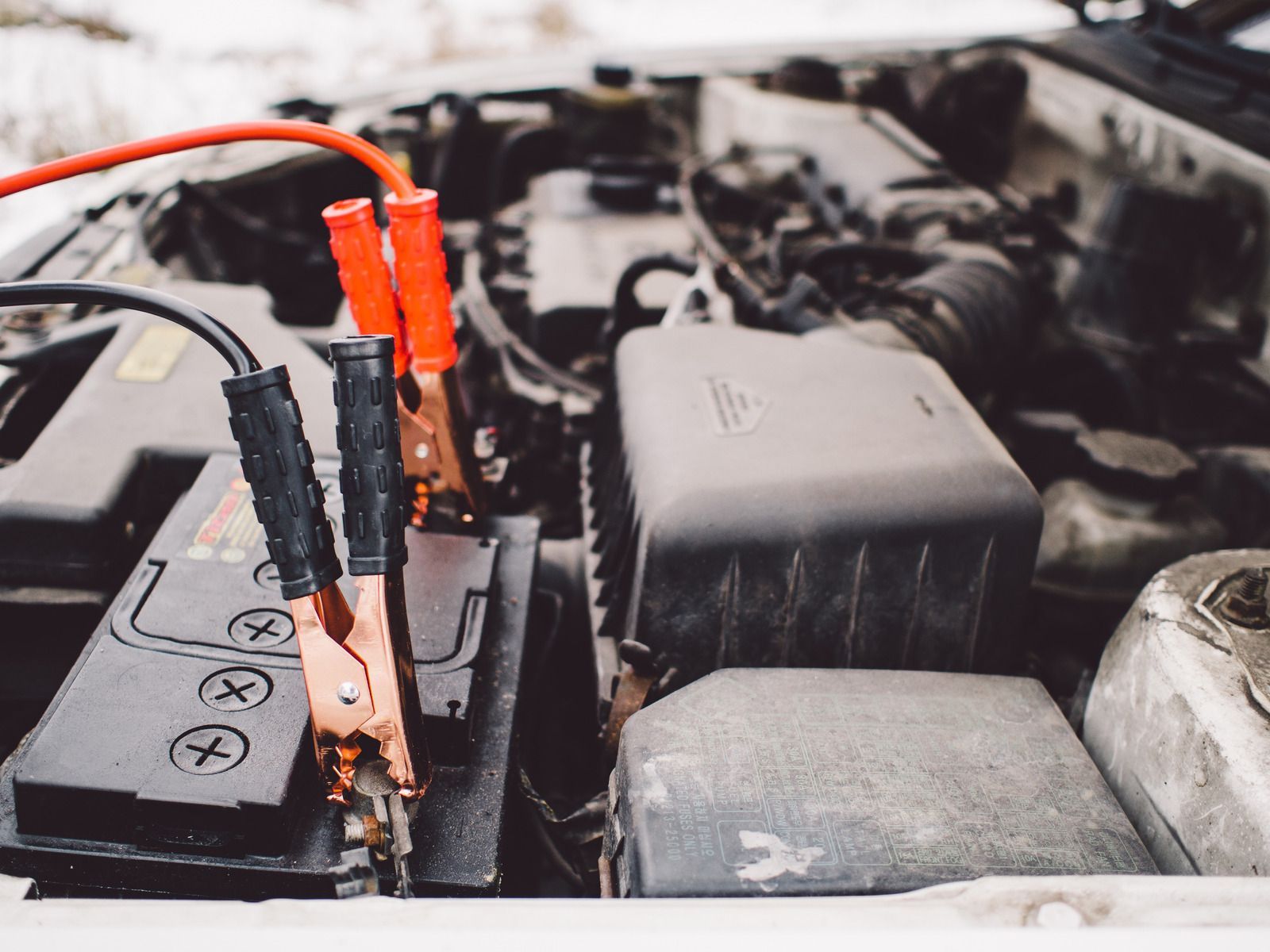
- Use jumper cables with a reliable donor vehicle or a portable jump starter.
- Check for loose connections at battery terminals.
- Ensure headlights, radio, and non-essential electronics are off to preserve battery life.
In situations where the battery fails unexpectedly, remaining calm and requesting professional assistance is often safer than attempting complex repairs roadside.
Transmission or Engine Stalling
Stalling can occur due to fuel system problems, transmission issues, or sensor malfunctions. Key actions include:
- Keeping the vehicle in neutral if moving and steering it safely off the road.
- Avoiding repeated attempts to restart if the engine has stalled under heavy load or overheating conditions.
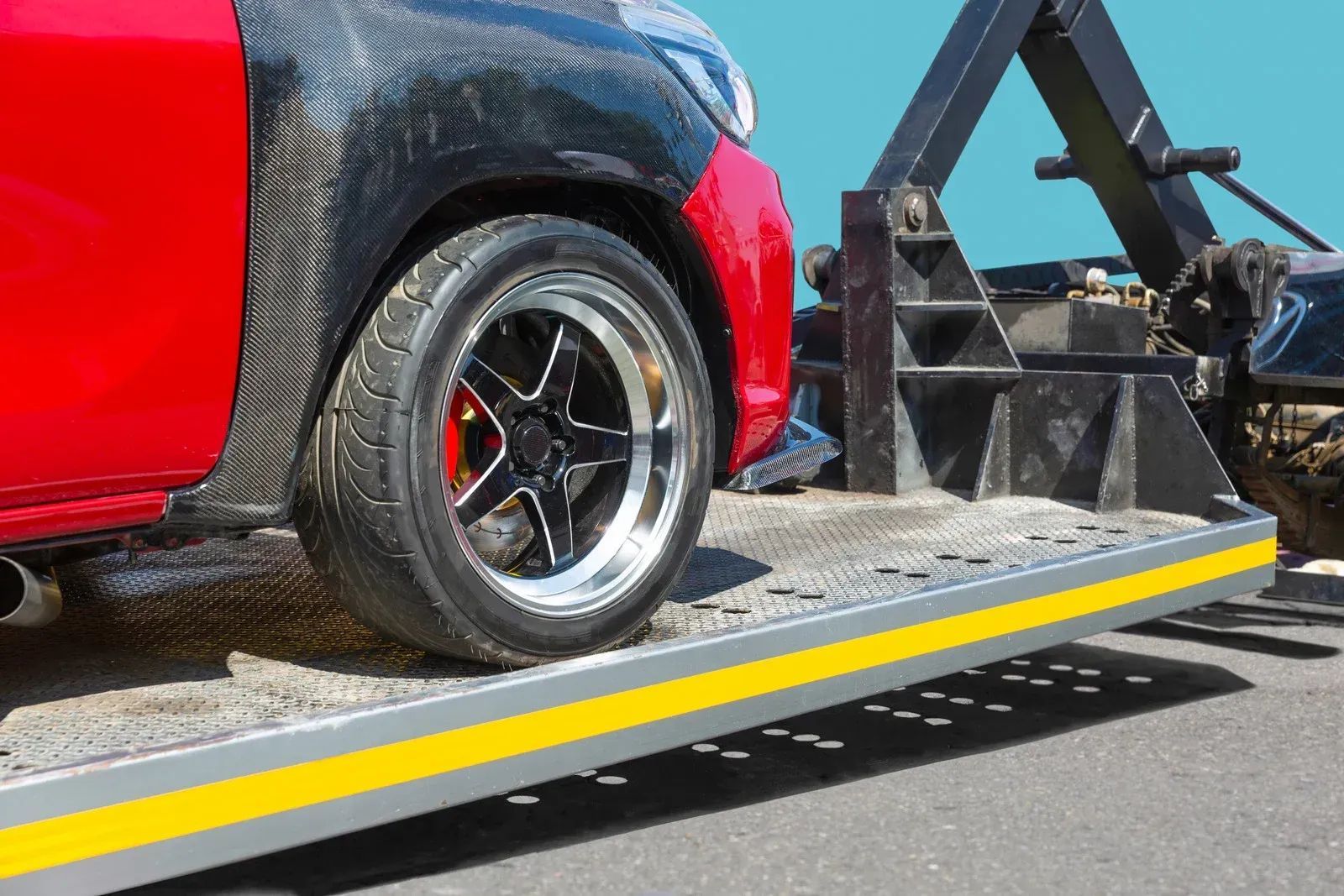
- Calling for professional towing to prevent further damage.
Best Practices
Regular vehicle maintenance, including oil changes, coolant checks, and battery testing, minimizes the likelihood of mechanical failures. Additionally, keeping a roadside emergency kit with jumper cables, fluids, and warning devices ensures drivers are prepared for unexpected breakdowns.
3. Dealing with Tire-Related Emergencies
Flat Tires
Flat tires are among the most common emergencies. When a tire fails:
- Reduce speed gradually while signaling and maneuvering to a safe area.
- Apply the parking brake and engage hazard lights.
- Use a jack and lug wrench to replace the tire with a spare, if available.
Having a properly inflated spare tire, tire iron, and jack in the vehicle is crucial. If you are unfamiliar with tire replacement, waiting for roadside assistance is safer than attempting repairs in high-traffic areas.
Blowouts
Tire blowouts require immediate but controlled action. Experts recommend:
- Firmly gripping the steering wheel to maintain control.
- Avoiding sudden braking; instead, ease off the accelerator.
- Steering straight until the vehicle slows down, then gently pulling over.
-
Blowouts at high speeds can be dangerous, and practicing controlled handling techniques can prevent loss of control.
Tire Pressure Monitoring
Modern vehicles often have tire pressure monitoring systems (TPMS). Paying attention to warnings and performing routine inspections helps identify weak or underinflated tires before a blowout occurs. Proper tire maintenance not only prevents emergencies but also improves fuel efficiency and vehicle stability.
4. Responding to Accidents
Immediate Steps Post-Collision
Accidents, regardless of severity, require a structured approach:
- Check for Injuries: Assess yourself, passengers, and others involved. Call emergency services if anyone is injured.
- Move to Safety: If possible, move vehicles out of traffic lanes to prevent further collisions.
- Document the Scene: Take photographs, exchange information, and note vehicle details and road conditions.
Legal and Insurance Considerations
Accident documentation is critical for insurance claims and potential legal proceedings. Drivers should:
- Avoid admitting fault at the scene.
- Provide factual accounts to authorities and insurers.
- Keep a record of medical visits or repairs resulting from the accident.
Handling Minor vs. Major Accidents
Minor fender-benders may allow for quick resolution, but major accidents require medical evaluation, police reports, and professional towing. Drivers should remain calm, communicate clearly with involved parties, and prioritize safety over expediency.
5. Roadside Safety and Emergency Supplies
Essential Emergency Kit
Prepared drivers carry a kit that includes:
- Jumper cables and portable jump starter.
- First-aid kit.
- Flashlights and batteries.
- Reflective triangles or flares.
- Basic tools like wrenches and screwdrivers.
- Water and non-perishable snacks.
Staying Visible and Protected
During roadside emergencies, visibility is critical. Drivers should:
- Park in well-lit areas if available.
- Use hazard lights and reflective gear.
- Position warning triangles at safe distances behind the vehicle.
Communication and Assistance
Having a charged mobile phone and roadside assistance contacts is crucial. Whether calling a towing service, mechanic, or emergency services, prompt communication ensures help arrives quickly. Additionally, familiarizing yourself with local emergency numbers reduces response time during critical situations.ctices and long-term maintenance.
6. Preventive Measures and Best Practices
Regular Vehicle Maintenance
Preventive maintenance significantly reduces the likelihood of emergencies. This includes:
Scheduled oil and filter changes.
- Brake and tire inspections.
- Battery and fluid checks.
- Engine diagnostics and software updates.
Driver Education and Preparedness
Understanding basic vehicle operations, emergency handling techniques, and first-aid knowledge equips drivers to respond effectively. Participating in defensive driving courses can enhance situational awareness and confidence during emergencies.
Planning and Route Awareness
Planning trips, checking weather conditions, and knowing the locations of service stations along routes improve readiness. GPS devices and mobile apps can provide real-time traffic updates and locate nearby assistance in case of emergencies.
Real-World Scenario
A driver preparing for a long road trip checks tire pressure, coolant levels, and oil before departure. During the journey, a minor engine overheating incident occurs. Because the driver stopped promptly and had the necessary coolant and tools, the issue was addressed safely without escalating into a major breakdown. This example illustrates the value of preparedness and proactive maintenance.
Trusted Guidance From Dependable Towing Experts
Vehicle emergencies are unpredictable, but understanding how to respond effectively can prevent accidents, reduce stress, and safeguard both the driver and passengers. Key practices include prioritizing safety, assessing the situation accurately, addressing mechanical and tire issues properly, and remaining calm during collisions or breakdowns. Equipping your vehicle with an emergency kit, practicing preventive maintenance, and knowing how to communicate with emergency services are critical steps every driver should take.
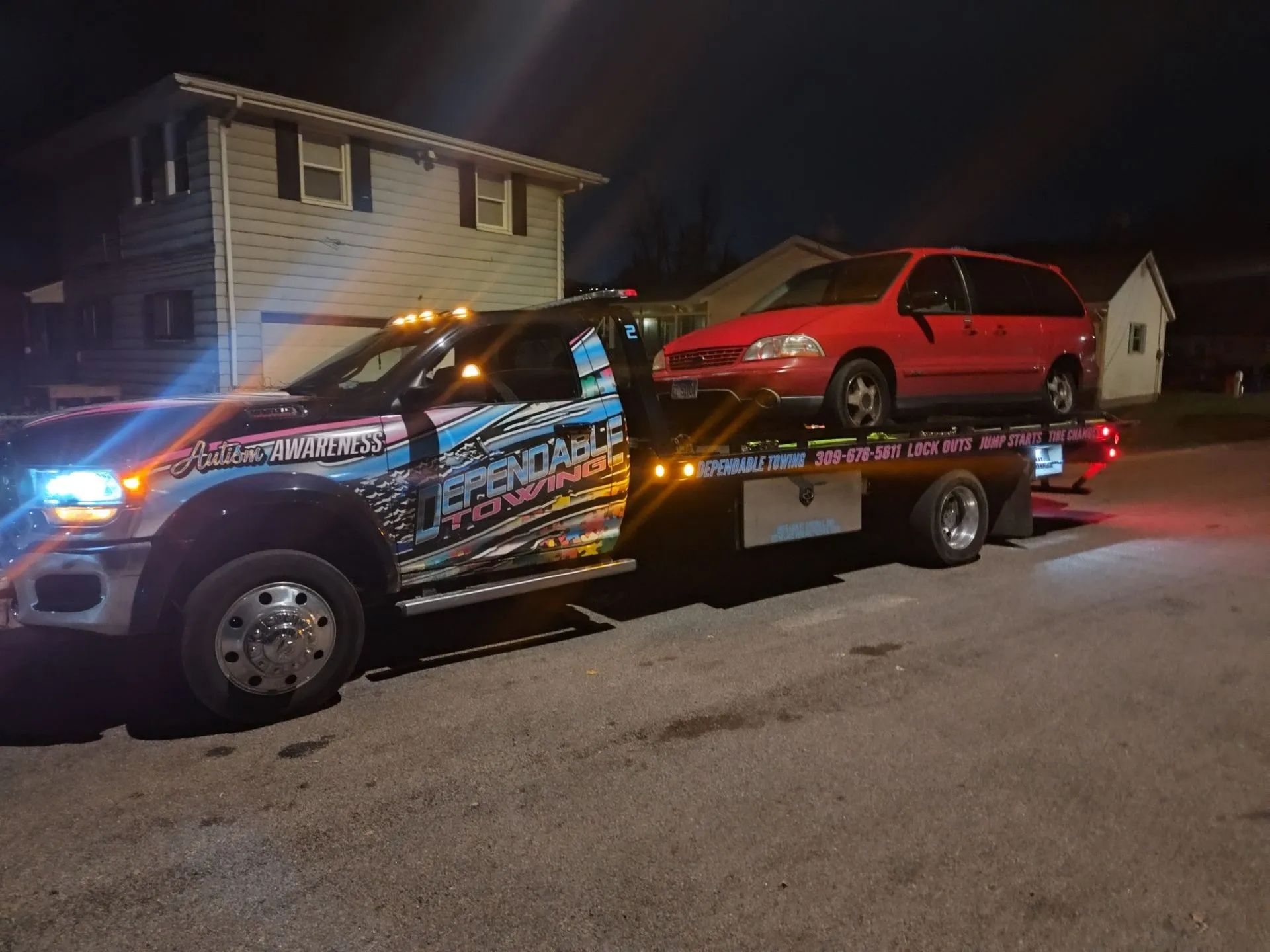
For drivers in Peoria, Illinois, Dependable Towing & Recovery
offers expert guidance and professional assistance for any
vehicle emergency. With 50
years of experience in towing and vehicle recovery services, the company has earned a reputation for reliability, efficiency, and skilled roadside support. From flat tires and battery failures to accident recovery and mechanical breakdowns, Dependable Towing & Recovery
ensures drivers receive swift, safe, and professional help whenever emergencies arise. Their commitment to customer safety and satisfaction makes them a trusted partner for motorists navigating unexpected roadside challenges.